
Artículo: Best Light Roast Coffee for Beginners
Best Light Roast Coffee for Beginners
Table of Contents
- What Light Roast Coffee Is and Why It's Great for Beginners
- Light Roast Coffee Taste: Flavor Profiles and Tasting Notes
- Light Roast vs Dark Roast Coffee: Key Differences Explained
- How to Brew Light Roast Coffee: Temperature, Grind, and Timing
- Quick Comparison: Light Roast Options for Every Preference
- 1. Light N' Cozy: Bright Citrus and Floral Notes
- Single-Origin Light Roasts: Understanding Origin and Freshness
- Common Brewing Mistakes to Avoid With Light Roast
- Which Light Roast Should You Choose? A Beginner's Decision Guide
- Frequently Asked Questions
Last Updated: October 9, 2026
What Light Roast Coffee Is and Why It's Great for Beginners
Light roast coffee is pulled right before first crack during the roasting process, which preserves the bean's origin characteristics and acidity. This roast level highlights the natural flavors of the coffee bean while delivering a slightly bigger jolt of caffeine compared to darker roasts. If you're new to specialty coffee, the best light roast coffee for beginners offers clarity and brightness that make it easier to taste what makes each origin unique.
The appeal for beginners is straightforward: light roasts reveal the coffee's story. You'll taste the fruity, floral, or citrus notes that come from where the beans were grown, rather than the heavy roasted flavors that dominate darker beans. This makes light roast coffee for beginners an ideal starting point if you want to explore what specialty coffee actually tastes like.
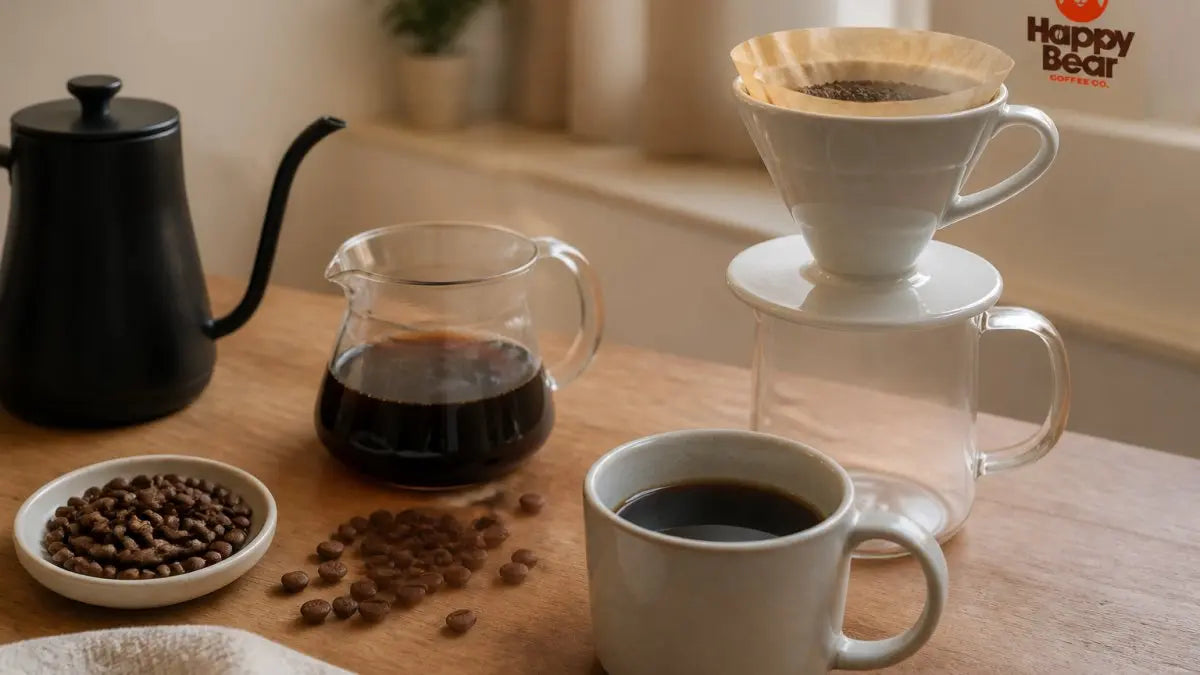
Happy Bear Coffee offers several light roast options that work well for beginners exploring specialty beans. The brightness and clarity of light roasts pair well with simple brewing methods like pour-over or drip coffee, so you don't need fancy equipment to enjoy them properly.
Light Roast Coffee Taste: Flavor Profiles and Tasting Notes
Light roast coffee delivers a distinctly different taste experience than what many people expect from coffee. The flavor profile emphasizes acidity, which gives coffee a little extra character, along with clarity that lets natural citrusy and fruity qualities come through. You'll notice a lighter body all around, meaning the coffee feels less heavy on your palate.
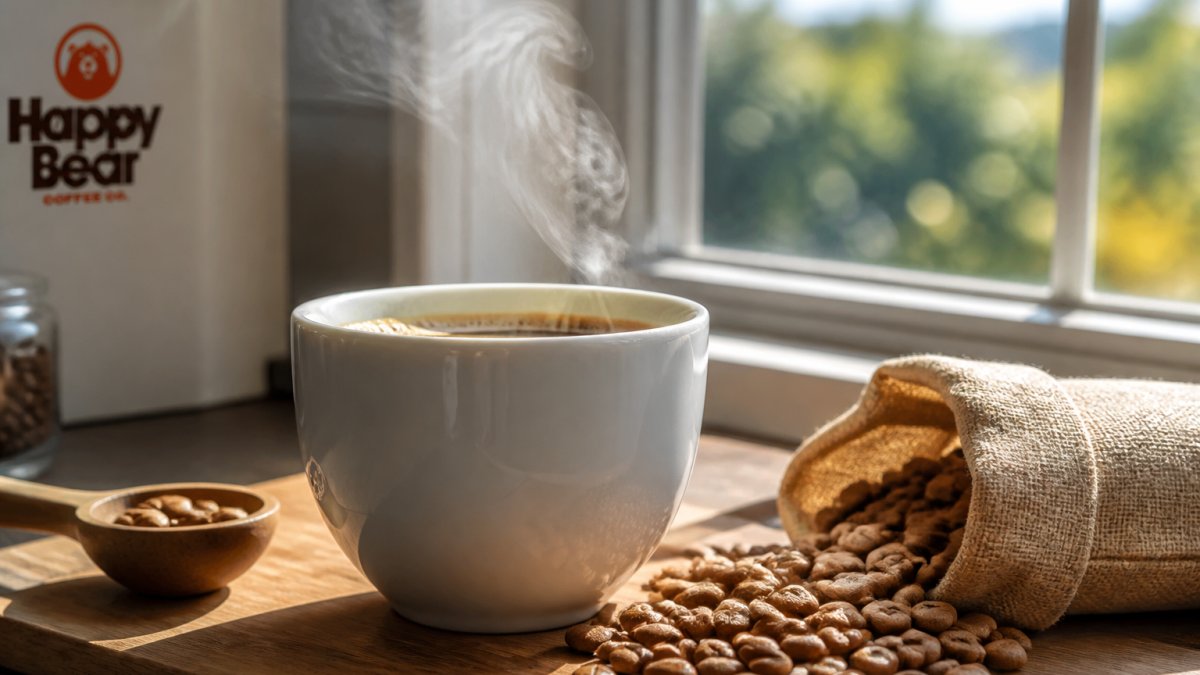
Tasting notes for light roasts often include citrus, stone fruit, florals, and sometimes chocolate or nutty undertones depending on origin. Light N' Cozy, for example, delivers notes of nectarines, jasmine, and cane sugar, flavors that emerge because the beans weren't roasted long enough for darker, heavier flavors to develop. This is what makes light roast coffee for beginners so approachable: the flavors are bright and recognizable rather than smoky or bitter.

When you first try a light roast, expect to taste:
- Brightness: A crisp, clean sensation that makes your mouth feel alive
- Sweetness: Often subtle, caramel, honey, or fruit-based sweetness rather than added sugar
- Acidity: A pleasant tartness that adds complexity, not sourness or bitterness
- Aroma: Floral or fruity scents that are more pronounced than in darker roasts
The key difference from what many beginners experience with regular coffee is that light roasts don't taste burnt or bitter. If your previous coffee experience has been with darker roasts or lower-quality beans, a quality light roast will surprise you with how much flavor is actually there.
Light Roast vs Dark Roast Coffee: Key Differences Explained
The roast level fundamentally changes what you taste in your cup. Dark roast coffee spends more time in the roaster, which develops heavier, smokier flavors and reduces the bean's origin characteristics. Light roast coffee for beginners sits at the opposite end of the spectrum: less roasting time means more origin flavor comes through, and acidity remains prominent rather than being burned away.
Here's what separates them:
| Characteristic | Light Roast | Dark Roast |
|---|---|---|
| Roasting time | Pulled before first crack | Roasted well past first crack |
| Flavor profile | Fruity, floral, citrus, bright | Smoky, bold, chocolate, caramel |
| Acidity | High, pleasant tartness | Low, smoother, less sharp |
| Body | Light and clean | Full and heavy |
| Origin flavor | Pronounced and clear | Masked by roast flavors |
| Caffeine content | Slightly higher | Slightly lower |
| Best brewing method | Pour-over, V60, drip | French press, espresso, dark roast blends |
Light roasts also tend to have a cleaner finish. When you swallow, the aftertaste is crisp and doesn't linger heavily. Dark roasts leave a bolder, longer finish that some people love and others find overwhelming.
For beginners, the advantage of light roast is that it's more forgiving. The bright acidity and clear flavors make it easier to tell when you've brewed it correctly. With dark roasts, over-extraction and under-extraction can both taste acceptable because the roast flavors dominate. With light roasts, you'll notice immediately if something's wrong with your brewing.
How to Brew Light Roast Coffee: Temperature, Grind, and Timing
Brewing the best light roast coffee for beginners comes down to three variables: water temperature, grind size, and brew time. Get them right and you'll taste the brightness and clarity the roaster intended. Get them wrong and even excellent beans taste sour, weak, or bitter. The good news is that light roasts give you clear feedback, so you can taste a problem and fix it on the next cup.
Start With These Baseline Numbers
Use these as your first brew, then adjust one variable at a time:
- Water temperature: 195-205 degrees Fahrenheit. If you don't have a thermometer, boil water and wait about 30 seconds. That brings roughly 212°F water down into range.
- Grind size: Medium-fine for pour-over, about the texture of sea salt or fine sand. Medium for drip machines. Coarse for French press.
- Brew time: 2.5-4 minutes for pour-over, 4 minutes to steep in a French press, and whatever your drip machine's cycle runs (usually 5-10 minutes).
- Ratio: Start at 1:16 by weight, one part coffee to 16 parts water. For a standard 8-ounce cup, that's roughly 15 grams of coffee to 240 grams of water. A kitchen scale is the single cheapest upgrade for consistency.
The Beginner Troubleshooting Loop
This is the part most guides skip. Taste your cup, name the problem, and change one thing next time.
If it tastes sour, thin, or weak (under-extracted): The water didn't pull enough out of the grounds. Fix it by grinding finer, raising water temperature toward 205°F, or extending brew time. Change only one of these per brew so you know what worked.
If it tastes bitter, harsh, or drying (over-extracted): The water pulled too much. Fix it by grinding coarser, lowering water temperature toward 195°F, or shortening brew time.
If it tastes both sour and bitter at once: Your extraction is uneven, usually from a grind that's too inconsistent or a pour that channels through the bed. Try a coarser, more even grind and pour in slow circles rather than dumping water in one spot.
If it tastes flat or muted with no clear flavor: The beans are likely past their peak. Check the roast date. Light roasts fade faster than darker roasts, so aim to brew within 2-3 weeks of roasting.
If it tastes watery even at the right ratio: Your grind is probably too coarse for the method, letting water rush past the grounds. Go finer in small steps.
Why Light Roasts Are More Forgiving Than They Seem
Dark roasts can hide brewing mistakes because the roast flavors dominate. Light roasts can't. That sounds like a downside, but for a beginner it's actually an advantage: the cup tells you clearly whether you nailed it, so you learn faster. Once you dial in temperature, grind, and time for one light roast, those settings transfer to the next bag with only small tweaks.
Whole Bean vs. Pre-Ground
If you don't own a grinder yet, pre-ground light roast is a reasonable starting point, but you lose two things: freshness and control. Pre-ground coffee stales faster because more surface area is exposed to air, and you can't adjust grind size to fix a sour or bitter cup. If you can, buy whole bean and have the roaster grind it for your brew method, then use it within a week or two. If you're ready to buy a grinder, a burr grinder gives you far more consistent particles than a blade grinder, which is the difference between an even extraction and a muddy one.
A Note on Caffeine
A common beginner assumption is that light roast is dramatically stronger. In practice, the difference is small. Caffeine changes very little during roasting, and any variation between roast levels is minor compared to how much coffee you actually scoop and how you brew it. If you're caffeine-sensitive, the bigger lever is your dose and cup size, not the roast level.
Quick Comparison: Light Roast Options for Every Preference
Happy Bear Coffee offers several light roast and medium roast options that work beautifully for beginners learning to appreciate specialty coffee. While we focus on light roasts here, some of our medium roasts deliver similar brightness and origin clarity that makes them excellent entry points into specialty coffee.
| Coffee | Roast Level | Tasting Notes | Origin | Price | Best For |
|---|---|---|---|---|---|
| Light N' Cozy | Light | Nectarines, jasmine, cane sugar | Central/South America | $19.00 | Bright citrus lovers, morning drinkers |
| Blooming Bear | Medium | Citrus, jasmine, stone fruit | Ethiopia (Yirgacheffe) | $20.50 | Floral and fruit-forward preferences |
| Papua's Mountain Brew | Medium | Almonds, lemongrass, chocolate | Papua New Guinea | $20.00 | Sweet and balanced tastes |
| Colombian Cloud | Medium | Lemons, brown sugar, milk chocolate | Colombia | $19.00 | Smooth and approachable profiles |
1. Light N' Cozy: Bright Citrus and Floral Notes
Light N' Cozy is our top pick for beginners because it delivers exactly what you should experience from a quality light roast. Pulled right before first crack, this single-origin light roast coffee for beginners showcases bright acidity and citrusy flavor qualities with a lighter body that makes it easy to taste what's actually happening in your cup.

The flavor profile, nectarines, jasmine, and cane sugar, represents the coffee's Central and South American origin clearly. There's no confusion about whether you're tasting roast flavors or origin flavors. The acidity gives the coffee character and complexity without tasting sour. When you brew it properly, you'll notice the jasmine aroma as it cools slightly, and the sweetness becomes more apparent.
Light N' Cozy works best with pour-over or V60 brewing methods because those techniques highlight the clarity and brightness. Use water at 200°F, a medium-fine grind, and brew for about 3 minutes. The result is a clean, bright cup that showcases why specialty light roast coffee for beginners matters.
At $19.00, Light N' Cozy offers excellent value for a freshly roasted specialty single-origin. Happy Bear Coffee roasts in small batches and ships freshly packed, so the beans arrive with full flavor potential.
Single-Origin Light Roasts: Understanding Origin and Freshness
Single-origin coffee comes from one specific country, region, or even farm, rather than being a blend of beans from multiple origins. This matters for beginners because single-origin coffees make it easier to understand how geography affects taste. When you drink a single-origin light roast, you're tasting one story, not a combination of stories blended together.
Different regions produce distinctly different flavor profiles. Ethiopian coffees tend toward floral and fruity notes. Central American coffees often deliver citrus and chocolate. Papua New Guinea coffees typically offer sweetness and earthiness. By trying single-origin light roasts from different regions, you'll develop your palate and discover which origins you prefer.
Freshness matters more with light roasts than darker roasts. Light roasts have more delicate flavors that fade faster as the beans age. Ideally, brew light roast coffee within 2-3 weeks of the roast date printed on the bag. After that, the brightness starts to fade. Happy Bear Coffee prints roast dates on every bag and ships freshly roasted coffee, so you're getting beans at their peak.
Store light roast beans in an airtight container away from light, heat, and moisture. Many beginners make the mistake of storing coffee in the refrigerator or freezer, which introduces moisture and can cause condensation. Room temperature in a sealed container works best.
Common Brewing Mistakes to Avoid With Light Roast
Light roasts are forgiving once you understand the fundamentals, but a few common mistakes will make even excellent beans taste disappointing. Here's what to watch for:
Using water that's too hot. This is the single most common error. Boiling water over-extracts light roasts, pulling bitter compounds that shouldn't be there. Always let water cool slightly before brewing.
Grinding too coarse. If your grind looks like regular sand, it's too coarse for light roast. Light roasts need slightly finer grinds than dark roasts to extract properly. Aim for sea salt texture.
Brewing too quickly. Some beginners rush the process and brew for only 1-2 minutes. Light roasts need time to release their flavors. Under-extracted light roast tastes sour and thin. Give it time.
Using stale beans. Light roasts lose their brightness faster than darker roasts. If your light roast coffee for beginners tastes flat or muted, the beans are probably past their peak. Always check the roast date.
Inconsistent water quality. Tap water with high mineral content or chlorine will affect taste. If your water tastes off, consider filtered water for brewing. This small step makes a noticeable difference.
Not measuring consistently. Beginners often eyeball the amount of coffee and water. Use a kitchen scale for consistency. A standard ratio is 1:16 (one part coffee to 16 parts water by weight), which works well for most brewing methods.
Which Light Roast Should You Choose? A Beginner's Decision Guide
Most guides tell you to "pick a coffee you like" without explaining how to know what you like before you've tasted anything. Here's a decision guide built around flavor, not origins or jargon. Find the flavor family that sounds most appealing, then start there.
Step 1: Pick Your Flavor Family
If you want bright, juicy, citrus-forward coffee: Look for light roasts described with words like lemon, orange, grapefruit, or nectarine. These tend to come from Central and South American origins and are the easiest entry point if you already enjoy iced tea or lemonade.
If you want floral and fruity coffee: Look for jasmine, bergamot, peach, or berry notes. These often come from Ethiopian and other East African origins. They're the most aromatic light roasts and a good pick if you like the smell of coffee as much as the taste.
If you want something balanced and familiar: Look for light roasts with brown sugar, honey, milk chocolate, or almond notes. These feel closer to what most people expect from coffee while still showing more clarity than a dark roast.
If you want something sweet and a little unusual: Look for lemongrass, stone fruit, or spice notes. These are a good next step once you've tried one of the families above and want to branch out.
Step 2: Match the Coffee to How You Brew
Flavor matters, but so does your setup. A coffee that shines in a pour-over can taste thin in a drip machine, and vice versa.
- Pour-over or drip: Almost any light roast works here. This is the most forgiving starting point.
- French press: Choose a light roast with sweeter, heavier notes like chocolate or brown sugar. The full-immersion brew brings out body that delicate floral coffees can lose.
- No grinder yet: Buy pre-ground sized for your method and use it within a week or two. You'll trade some freshness for convenience, which is a fair deal for a first bag.
Step 3: Set a Realistic Budget
Specialty light roast typically runs somewhere in the high teens to low twenties per 12-ounce bag, and a bag usually makes roughly 15 to 20 cups depending on your dose. That works out to about a dollar to a dollar-fifty per cup, which is still less than most cafe drinks. If you want to try several flavor families without committing to full bags, look for sample packs or smaller bag sizes. Buying one bag at a time and finishing it fresh beats stocking up and letting beans go stale. Exploring various coffee sample packs provides a practical way to refine your palate and identify specific origins that suit your preferences before investing in larger quantities.
Step 4: Buy Fresh and Check the Date
Whatever you choose, look for a roast date printed on the bag, not just a "best by" date. Light roasts are at their best within about 2-3 weeks of roasting. If a bag has no roast date, that's a signal the coffee may sit on a shelf for a long time before it reaches you.
A Simple First-Bag Plan
- Pick one flavor family from Step 1.
- Choose a coffee that matches your brew method from Step 2.
- Buy the smallest bag that fits your budget.
- Brew it using the temperature, grind, and timing baselines above.
- Note what you tasted, then pick your next bag from a different family.
After two or three bags, you'll know whether you're a citrus person, a floral person, or a balanced-cup person, and you can shop by flavor instead of guessing. That's the whole skill, and it takes less time than most people expect.
Frequently Asked Questions
What does light roast coffee taste like compared to other roasts?
Light roast coffee emphasizes the bean's origin characteristics with bright, clear flavors. You'll notice citrus, floral, and fruity notes rather than the deeper chocolate and caramel found in darker roasts. Light roasts have higher acidity, which adds liveliness and complexity to the cup. The lighter body means you taste the coffee's natural qualities without roasting flavors masking them, making it ideal for beginners who want to experience what specialty coffee actually tastes like.
Is light roast coffee stronger than dark roast?
Light roast coffee actually contains slightly more caffeine than dark roast because less caffeine burns away during the shorter roasting process. However, 'stronger' depends on what you mean: if you're talking about caffeine content, light roast wins by a small margin. If you mean bold flavor intensity, dark roast typically tastes heavier. For beginners, light roast offers a cleaner, more nuanced strength, you'll taste the coffee's complexity rather than just heaviness.
How do you brew light roast coffee without making it taste sour?
Sourness in light roast usually means under-extraction. Use water between 195-205°F, grind your beans medium-fine, and brew for the full recommended time for your method (3-4 minutes for pour-over, 4 minutes for French press). Use a 1:16 coffee-to-water ratio as a starting point. Fresh beans matter too, light roasts show age quickly, so buy beans roasted within the last 2-3 weeks. If it still tastes sour, your water may be too cool or your grind too coarse.
What kind of light roast coffee is best for beginners?
Start with single-origin light roasts that have clear, approachable flavor notes like citrus, stone fruit, or floral characteristics. Light N' Cozy offers nectarine and jasmine notes with bright acidity, straightforward flavors that help you understand what specialty coffee tastes like. Avoid overly complex or experimental roasts initially. Look for beans roasted within 2-3 weeks of purchase, and choose whole beans over pre-ground for better freshness. A medium-fine grind works well for most beginner brewing methods.
Why should I choose light roast coffee over medium or dark roast as a beginner?
Light roast coffee is the best entry point to specialty coffee because it showcases the bean's origin and natural flavors clearly. You'll taste the difference between a Central American and African coffee, which builds your palate and appreciation for quality. Light roasts also have more complexity to explore, each sip reveals different flavor notes as it cools. For beginners, this educational value matters more than the heavier, simpler taste of darker roasts, which can mask quality differences between beans.

Dejar un comentario
Este sitio está protegido por hCaptcha y se aplican la Política de privacidad de hCaptcha y los Términos del servicio.