
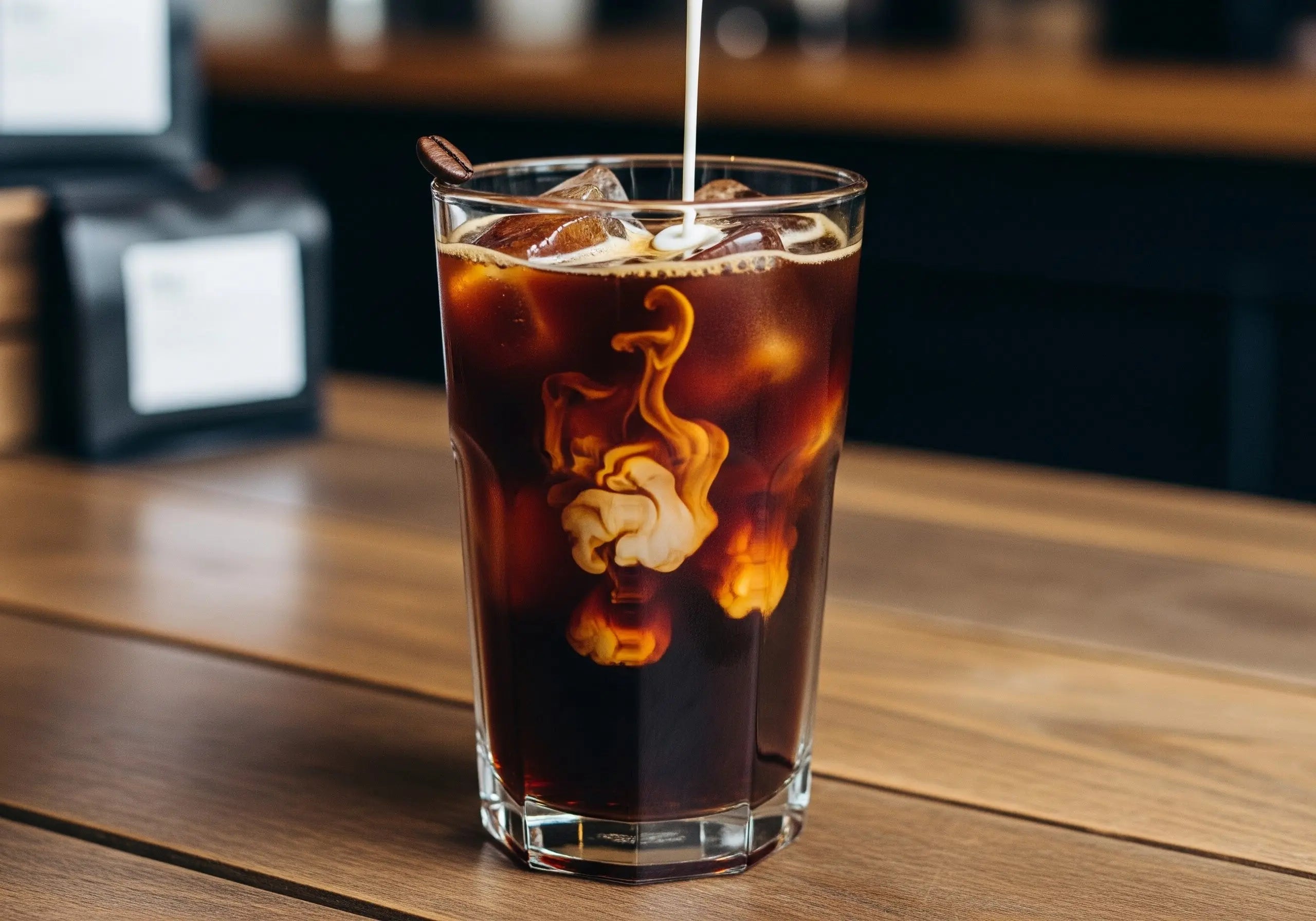
When you walk into a cafe today, it's clear that cold brew is dominating the chilled coffee menu. Gone are the days when iced coffee was the undisputed king of warm-weather beverages; a cold coffee revolution is officially underway, and the deep, rich, and mellow notes of cold brew have captured the hearts—and palates—of coffee lovers everywhere. But why the sudden surge? What chemical magic happens over those long hours of steeping that transforms simple coffee and cold water into a beverage that has inspired a cult-like following?
To truly understand the phenomenon, we turned to the experts—our own community. At Happy Bear Coffee, we listen closely to what motivates our customers to choose cold brew, whether they’re grabbing a cup on the go or mastering a batch in their kitchen. The reasons are compelling, extending far beyond a fleeting trend; they speak to a deeper appreciation for flavor, health benefits, and convenience. Here is a breakdown of what we’ve heard, exploring the foundational elements that make cold brew not just popular, but truly superior for many drinkers.
Customer-Reported Cold Brew Coffee Benefits: Why the World Switched to Cold Brew
The flavor and health effects are consistently reported as the top reasons our customers love cold brew coffee. These factors combine to create an unparalleled drinking experience that is both indulgent and mindful.
1. Smoother Flavor Profile: The Art of Cold Extraction
The most frequently cited benefit is the unparalleled smoothness of cold brew. Customers consistently report that cold brew is smoother, naturally sweeter, and even more chocolatey than coffee brewed with heat. This difference is not subjective; it is rooted in the chemical process of cold water extraction.
When you brew coffee with hot water, the high temperature rapidly extracts compounds from the ground coffee. While this speed is convenient, it results in the rapid extraction of specific compounds, including acidic chlorogenic acids, oils, and bitter-tasting melanoidins (a byproduct of the Maillard reaction). These elements contribute to the characteristic bright, sometimes sharp, and occasionally bitter flavor of traditionally brewed regular coffee.
Cold brewing, however, is a slow, gentle immersion process. By steeping coffee grounds in cold or room-temperature water for 12 to 24 hours, only the most desirable flavor compounds are released. The lower temperature means that the bitter acids and oils are largely left behind. What remains is a pure, concentrated coffee essence that is inherently sweeter and boasts a full-bodied, almost velvety mouthfeel. This intentional omission of bitterness and acidity is the secret behind the naturally sweeter, chocolatey notes our customers enjoy—a true testament to patience in coffee preparation.
To put this in perspective, think of the difference between quickly searing a steak at high heat versus slow-roasting it for hours. Both produce a cooked product, but the texture and flavor complexity achieved through the slow method are incomparable. In coffee, the slow, cold extraction process yields a depth of flavor that hot brewing simply cannot match. It allows the subtle, often hidden characteristics of the bean—the chocolate, the nutty undertones, the caramel notes—to shine through without harsh bitterness.
Lower Acidity: A Health and Flavor Advantage
Cold brew coffee is significantly less acidic than its hot-brewed counterpart. This is a major health benefit for many consumers, particularly those who experience sensitivity or digestive discomfort from traditional coffee.
The lower acidity is a direct result of the cold water’s inability to dissolve and release certain acidic compounds. While hot coffee typically registers a pH of around 5.0, cold brew often falls closer to 6.0 (closer to neutral 7.0), indicating a major reduction in acid concentration. This reduction in acid is key because it allows our customers to dramatically reduce the amount of cream, milk, and sugar they would typically add to mask the bitterness and sharpness of hot coffee. By eliminating these additions, cold brew becomes a naturally healthier beverage choice.
This benefit has propelled cold brew from a niche product to a mainstream favorite, as consumers increasingly seek ways to enjoy their daily caffeine without compromising digestive health or their commitment to lower sugar intake. The smooth, less acidic profile means you are tasting the true, unadulterated flavor of the coffee bean, rather than a blend of coffee, sugar, and cream intended to neutralize a harsh taste.
Higher Caffeine Content: The Efficient Energy Boost
It’s no myth—cold brew often delivers a higher caffeine content. Drinkers love this aspect, as it provides an efficient and sustained energy boost without the jittery rush often associated with highly concentrated hot espresso shots.
The "higher caffeine" claim comes with a slight nuance worth exploring. Cold brew coffee is typically made as a concentrate, using a much higher coffee-to-water ratio than standard hot coffee (often 1:4 to 1:8, compared to 1:15 or 1:17 for hot brewing). This high ratio, combined with the long steeping time, results in an extremely concentrated coffee liquid.
When consuming this concentrate, you are ingesting a high dose of caffeine. Even when diluted with water, milk, or ice to create a ready-to-drink beverage, the total caffeine content in a typical cold brew serving remains significantly higher than in an equivalent volume of regular drip coffee. This potent strength makes it an ideal pick-me-up for early mornings, long workdays, or pre-workout fuel—delivering focused energy without aggressive bitterness or over-extraction. The smooth flavor profile ensures that even this concentrated burst of caffeine is delivered gently to your system.
Accessibility and Convenience: Coffee on Your Schedule
The final factor driving the cold brew surge is simple logistics: convenience. The demand for cold brew means it’s now served in almost all cafes, moving from a seasonal novelty to a year-round staple.
Crucially, customers also enjoy the ability to make it easily at home with one of the many cold brew systems now available. The fact that cold brew can be stored for up to 10 days makes it a dream for meal prepping and busy schedules. Unlike hot coffee, which should be consumed the same day it is made before its flavor degrades, cold brew concentrate is a stable, ready-to-use ingredient. A single weekend batch can provide a week's worth of morning coffee, ready to be poured, diluted, and enjoyed in seconds—a level of efficiency that modern life demands. This shift from a daily brewing ritual to a weekly prep routine has cemented cold brew’s place in the modern kitchen.
Cold Brew Coffee and Health: A Look at Potential Benefits
Beyond flavor and caffeine, cold brew coffee is also being studied for its potential health benefits. Due to its less acidic nature and higher polyphenol content, cold brew coffee may provide protective effects against certain conditions such as heart disease and type 2 diabetes.
Polyphenols, natural antioxidants found in coffee, help reduce inflammation and oxidative stress in the body. Research suggests that coffee consumption is linked with a reduced risk of developing type 2 diabetes and heart-related illnesses when consumed in moderation. Because cold brew coffee is less acidic and smoother, it may be a preferable choice for individuals concerned about acid reflux or heartburn, allowing them to retain these benefits without discomfort.
What is the Difference Between Cold Brew and Iced Coffee?
This is one of the most frequently asked questions—and it’s a great one. While both are served cold, the difference between cold brew and iced coffee is fundamental, starting with how they are created.
The distinction lies entirely in the temperature of the water used for extraction. Iced coffee is essentially hot-brewed coffee that is then cooled and served over ice. Cold brew, in contrast, involves steeping coffee grounds in cold water for 12 to 24 hours.
|
Feature |
Iced Coffee |
Cold Brew |
|
Brewing Method |
Hot-brewed coffee that is then cooled and served over ice. |
Coffee grounds steeped in cold water for 12–24 hours. |
|
Taste Profile |
Typically bright, acidic, and light-bodied. |
Smooth, full-bodied, naturally sweet, with lower acidity. |
|
Shelf Life |
Should be consumed the same day it is made. |
Can be stored in the refrigerator for 7–10 days, making it ideal for meal prepping. |
Is it healthy to drink cold brew coffee?
Yes, drinking cold brew coffee is generally healthy. Its lower acidity makes it gentler on the stomach compared to hot brewed coffee. Additionally, cold brew coffee contains antioxidants like polyphenols, which contribute to reducing inflammation and may help lower the risk of heart disease and type 2 diabetes. However, as with all caffeinated drinks, moderate consumption is recommended to avoid negative effects associated with high caffeine intake.
The Iced Coffee Process: Dilution and Degradation
When hot coffee is poured over ice, two things happen: dilution and thermal shock. As the ice melts, the coffee becomes weaker, often losing its carefully balanced flavor profile. More critically, hot brewing extracts volatile aromatic compounds, which degrade rapidly once the coffee cools. This is why leftover hot coffee that has cooled on the counter tastes dull and flat; those flavorful compounds have dissipated. Iced coffee undergoes the same degradation process, which is why it often requires added sweeteners or flavorings to compensate for the loss of vibrancy and bitterness. While it offers a quick cold fix, its shelf life is short—consume it the same day it is made.
The Cold Brew Process: Patience and Preservation
Cold brew avoids these issues entirely. The gentle, cold immersion process means the resulting flavor compounds are incredibly stable. Because the extraction is slow and low-temperature, the coffee concentrate is less volatile, preserving its flavor integrity for a much longer period. Cold brew concentrate can be stored in the refrigerator for 7–10 days without significant flavor loss, truly making it ideal for meal prepping and batch brewing.
The taste profile difference is striking: Iced coffee is typically bright, acidic, and light-bodied. Cold brew is smooth, full-bodied, naturally sweet, and has that signature lower acidity. Choosing between the two is choosing between a quick chill that compromises flavor and a methodical process that maximizes it.
Mastering Your Cold Brew at Home: The Happy Bear Way
Given the ability to store cold brew for up to 10 days, making a large batch at home is incredibly convenient and cost-effective. It eliminates daily fuss and guarantees you have smooth, flavorful coffee on hand all week long.
While the process is simple, mastering cold brew involves a few key variables that can dramatically impact your final product: grind size, coffee-to-water ratio, water quality, and steep time.
1. The Grind: Consistency is Key
For cold brew, the grind size is paramount. You need a coarse, uniform grind—much coarser than you would use for drip coffee or pour-over. A grind resembling coarse sea salt or breadcrumbs is ideal. Why coarse? A fine grind exposes too much surface area, leading to over-extraction and reintroducing the bitterness and siltiness we are trying to avoid. A coarse grind ensures a clean extraction and keeps sediment out of your final concentrate. Using a high-quality burr grinder is recommended to ensure consistency in particle size, which is critical for even extraction.
2. The Ratio: Finding Your Concentration
The standard ratio for cold brew concentrate ranges from 1:4 to 1:8 (coffee grounds to water, by weight). A 1:4 ratio results in a thick, espresso-like concentrate that requires significant dilution. A 1:8 ratio is less potent but still strong enough to serve as a versatile base. For beginners, a 1:5 ratio is a great starting point, balancing strength and versatility.
-
Example for a typical home batch (1:5 ratio): 8 ounces (225g) of coarse-ground coffee to 40 ounces (1,134g or about 4.5 cups) of filtered cold water.
3. The Water: The Forgotten Ingredient
Coffee is over 98% water, yet people often neglect water quality. Tap water, especially hard or heavily chlorinated water, can negatively affect the flavor of your cold brew. Always use filtered water. Since cold brewing is a slow process, any off-flavors in the water will be magnified in the final concentrate. High-quality filtered water ensures you taste only the pure, smooth flavors of the coffee bean.
4. The Steep Time: The Patience Factor
The ideal steep time is between 12 and 24 hours. The specific time depends on your roast level and desired strength. Lighter roasts benefit from a longer steep (closer to 24 hours) to fully develop their complex flavors. Darker roasts, like our Smokey Bear’s Cold Brew Blend, typically reach their optimal flavor balance closer to 16 to 18 hours. Experimentation is key: start at 16 hours, taste it, and adjust the time on your next batch. Always steep in the refrigerator to ensure a consistently low, safe temperature.
5. Filtration: The Final Step
After steeping, careful filtration is necessary. The goal is to separate the concentrate from the spent grounds without any sediment. We recommend a two-stage process: first, pour the concentrate through a coarse-mesh strainer or cheesecloth, and then run the liquid through a fine paper filter or a dedicated cold brew filter system. The clarity of the final product contributes significantly to its signature smoothness.
Happy Bear Coffee Makes It Easy
At Happy Bear Coffee, we strive to simplify this process so that everyone can achieve cafe-quality cold brew at home. We eliminate the guesswork with specially designed products:
-
We offer a Cold Brew at Home System that is specifically designed to be simple to use, handling steeping and filtration efficiently to produce a cleaner, smoother concentrate with minimal effort. It takes the complexity out of the process, allowing you to focus on choosing your coffee and enjoying the end result.
-
We developed our own blend, Smokey Bear’s Cold Brew Blend also available in Decaf, refined specifically to ensure you get that signature smoothness in every batch.
It features a medium-dark roast profile, perfectly calibrated to maximize the rich, chocolatey, naturally sweet notes cold water extraction is known for, ensuring a full-bodied experience without harshness.
Choosing the right coffee is half the battle, and a blend designed for cold extraction, like Smokey Bear’s Cold Brew Blend, minimizes the chance of over-extraction and ensures a balanced, sweet flavor that is guaranteed to impress.
Serving and Customizing Your Cold Brew Concentrate
Once you have your concentrate, the possibilities are endless. Remember, this is an ingredient—a powerful base—not the final drink.
The Golden Rule of Dilution: Always dilute your concentrate before serving. A typical serving involves mixing one part concentrate with one to two parts water or milk (dairy or non-dairy). Start with a 1:1 dilution, taste it, and adjust the ratio to your preferred strength and flavor intensity.
Creative Cold Brew Recipes:
-
The Classic Cold Brew: Dilute with filtered water (1:1.5 ratio) and serve over ice. This is the best way to appreciate the concentrate's inherent flavor.
-
Cold Brew Latte: Dilute with your milk of choice (oat milk is a popular option for its creamy texture) and add a dash of vanilla or caramel syrup, if desired.
-
Cold Brew Cocktail Base: Use the high caffeine content and smooth flavor as a versatile base for adult beverages, such as an espresso martini or a custom coffee liqueur.
-
Cold Brew Cubes: Freeze leftover concentrate into ice cube trays. This prevents dilution when added to your finished cold brew drink, ensuring your coffee remains strong and flavorful down to the last sip.
-
Nitro Cold Brew: While specialized equipment is required, the concept involves infusing cold brew with nitrogen gas, creating a creamy texture and a cascading, Guinness-like appearance, while showcasing the smooth, low-acidity profile.
The Future of Cold Brew Coffee
Whether you are seeking the efficient energy boost of higher caffeine, the digestive benefits of lower acidity, or simply the luxurious smoothness and chocolatey flavor profile, cold brew coffee delivers. And with the right tools, like the Cold Brew at Home System and the specialized Smokey Bear’s Cold Brew Blend also available in Decaf from Happy Bear Coffee, mastering this revolution in your own kitchen has never been easier.
Share Your Favorite Recipe!
Do you have a favorite cold brew drink or recipe you love to make? Perhaps a unique milk froth or a special syrup infusion? Share it with us in the comments or reply to our email—we’d love to feature it in our “Recipe Corner” and inspire others in the Happy Bear Coffee community to elevate their home brewing game!



Dejar un comentario
Este sitio está protegido por hCaptcha y se aplican la Política de privacidad de hCaptcha y los Términos del servicio.