
Artículo: Is a Titanium Coffee Mug Worth It?
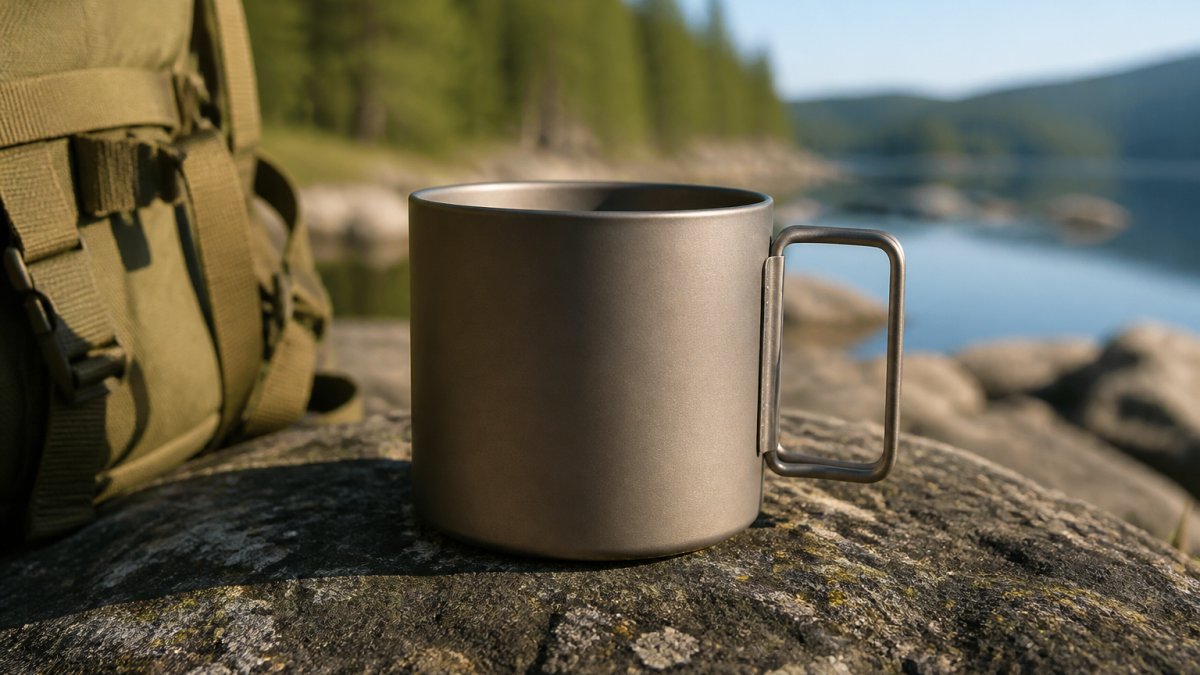
Is a Titanium Coffee Mug Worth It?
Last Updated: October 25, 2026
Quick Summary
A titanium coffee mug is worth it if weight and durability matter to you, particularly for backpacking and outdoor adventures where every ounce counts. However, single-wall titanium mugs don't retain heat as effectively as insulated stainless steel, and the premium price is harder to justify for everyday home or office use.
- Titanium mugs weigh 40-45% less than stainless steel alternatives, making them ideal for ultralight backpacking
- Single-wall titanium mugs cool from 200°F to below 120°F in roughly 25-35 minutes, while double-wall insulated versions stay warm for 2-3 hours
- Titanium costs at least twice as much as comparable stainless steel mugs, though the price-per-year gap narrows over 15 years of use
- Single-wall titanium mugs can be placed directly over a campfire to heat water or cook meals, a versatility stainless steel and ceramic cannot match
- For home and office use, ceramic or insulated stainless steel mugs offer better heat retention and lower cost than titanium
Table of Contents
- What Makes a Titanium Coffee Mug Different
- Titanium vs Stainless Steel Mug: Which Holds Up Better
- Titanium Mug Heat Retention: How Long Does Coffee Stay Hot
- Are Titanium Mugs Safe to Use Daily
- Best Titanium Cup for Backpacking and Outdoor Adventures
- The Real Cost: Is Titanium Worth the Premium Price
- Titanium Mugs for Home and Office Use
- Cooking and Heating Drinks in a Titanium Mug
- Choose Your Perfect Titanium Mug
- Frequently Asked Questions
What Makes a Titanium Coffee Mug Different
Is a titanium coffee mug worth it? The answer depends on what matters most to you. Titanium mugs offer distinct advantages over traditional ceramic or steel alternatives, but they come with trade-offs that don't suit every situation.
Titanium is a naturally lightweight metal that resists corrosion and doesn't impart a metallic aftertaste to your beverages. A titanium coffee mug weighs significantly less than stainless steel counterparts, according to HonTitan's 2026 comparison, titanium travel mugs weigh 40-45% less than stainless steel alternatives. This makes titanium particularly appealing for backpackers and travelers who count every ounce.
The material itself is pure titanium in most outdoor-grade mugs, chosen specifically for its durability and ability to withstand high temperatures without degrading. Unlike ceramic, titanium won't chip or crack if dropped on a rocky trail. Unlike aluminum, it won't dent as easily or react with acidic beverages like coffee or tea.
However, pure titanium has limitations. Single-wall titanium mugs don't retain heat as effectively as insulated stainless steel versions. If keeping coffee hot for hours matters to you, a titanium coffee mug in single-wall construction may disappoint. Double-wall insulated titanium mugs solve this problem but add weight and cost.
The key difference comes down to trade-offs: weight and durability versus heat retention and price.
Titanium vs Stainless Steel Mug: Which Holds Up Better
Both titanium and stainless steel drinkware are built to last, but they excel in different scenarios. The choice between them hinges on your priorities and use case.
Stainless steel mugs offer superior heat retention, especially when double-walled and vacuum-insulated. They're also more affordable upfront. A quality stainless steel mug costs less than half the price of a comparable titanium option. However, stainless steel is heavier, significantly heavier if you're carrying it on a backpacking trip.
Titanium's advantage lies in weight and portability. Adventure Alan's 2026 backpacking guide recommends considering an upgrade if your current mug weighs more than 5 ounces. Double-wall insulated titanium mugs in the 3.5-4 oz range offer the best overall user experience for ultralight backpacking. That weight savings compounds across a multi-day trip.
Durability-wise, both materials resist corrosion well. Titanium edges ahead in toughness, it won't dent from impact the way stainless steel can. Both can handle boiling water and direct heat from a campfire.
The real difference emerges in specific contexts. For a home office or car commute, stainless steel's superior insulation and lower cost make it the practical choice. For backpacking or hiking where every ounce matters, titanium wins despite the premium price.
| Feature | Titanium Mug | Stainless Steel Mug |
|---|---|---|
| Weight (8 oz capacity) | 3.5-4 oz | 6-8 oz |
| Heat Retention | Good (single-wall), Excellent (double-wall) | Excellent (insulated) |
| Corrosion Resistance | Superior | Very Good |
| Price Range | $30-80+ | $15-40 |
| Best For | Backpacking, ultralight travel | Daily home/office use |
| Durability | Excellent (resists dents) | Very Good (prone to dents) |
Titanium Mug Heat Retention: How Long Does Coffee Stay Hot
Heat retention is where titanium's limitations become most obvious, at least in single-wall construction. The reason is simple physics: a single-wall titanium mug is a thin sheet of metal with no air gap, so heat moves from your coffee through the wall and into the surrounding air almost immediately. An insulated mug interrupts that path with a vacuum or foam layer, which is why the same volume of coffee can stay hot for hours in stainless steel and cool in minutes in bare titanium.
To make the comparison concrete, here is what a typical 8-ounce mug does under common conditions. Assume 200°F coffee poured into a room-temperature mug, with ambient air around 65°F and a light breeze. A single-wall titanium mug typically drops to a drinkable 140-150°F within 10-15 minutes and falls below 120°F in roughly 25-35 minutes. A double-wall vacuum-insulated titanium mug in the same test usually holds above 140°F for 60-90 minutes and stays warm for 2-3 hours. A comparable insulated stainless steel mug performs in the same range as the double-wall titanium, often slightly better because the steel walls are thicker and the vacuum gap is larger.
Those numbers shift with conditions. Wind is the biggest variable: a 10 mph breeze can cut a single-wall mug's warm-holding time by a third or more. Pre-warming the mug with hot water before pouring adds roughly 10-15 minutes of usable heat. A lid matters as much as the wall: an open single-wall titanium mug loses heat far faster than the same mug with a snug lid, because most heat escapes through the exposed liquid surface. Fill level also counts, a half-full mug cools faster than a full one because there is more surface area relative to volume.
The trade-off is weight. Double-wall insulated titanium mugs weigh more than single-wall versions, typically 5-7 ounces depending on size, which can erase much of titanium's advantage over a light stainless steel mug. For ultralight backpackers, that extra weight is often the deciding factor.
RidgeStok's 2026 gear review notes that single-wall titanium mugs are the right choice for most backpackers because they offer lower weight, lower cost, and the ability to heat contents directly over a flame. If you're willing to trade heat retention for portability, single-wall titanium makes sense. If your priority is a cup of coffee that is still hot an hour after you pour it, an insulated mug, titanium or stainless steel, is the better tool.
Are Titanium Mugs Safe to Use Daily
Yes, titanium mugs are safe for daily use. The material is non-toxic and doesn't leach chemicals into beverages even with prolonged contact or repeated heating.
Pure titanium is biocompatible, it's used in medical implants and dental work specifically because it doesn't react with the human body. Your coffee won't interact negatively with titanium. There's no metallic aftertaste if the mug is properly finished, and titanium won't corrode or degrade from acidic beverages like coffee or orange juice.
One practical consideration: titanium conducts heat quickly. A single-wall titanium mug filled with boiling water will be hot to the touch immediately. Most titanium outdoor mugs include a handle or grip to address this. Watch out: if you grab a bare titanium mug fresh off a campfire, you'll burn your hand. Use the handle or wait a moment for it to cool slightly.
Dishwasher and microwave safety depends on the specific mug's design. Most titanium outdoor mugs are hand-wash only because handles or lids may not withstand dishwasher heat. Always check the manufacturer's care instructions.
For daily home use, a titanium coffee mug is completely safe. It won't affect the flavor of your coffee, won't break down over time, and won't introduce any harmful substances into your beverage.
Best Titanium Cup for Backpacking and Outdoor Adventures
When you're choosing a titanium coffee mug specifically for camping, hiking, or backpacking, weight and packability dominate the decision. You need a cup that fits in your pack, doesn't add unnecessary ounces, and performs when you need it.
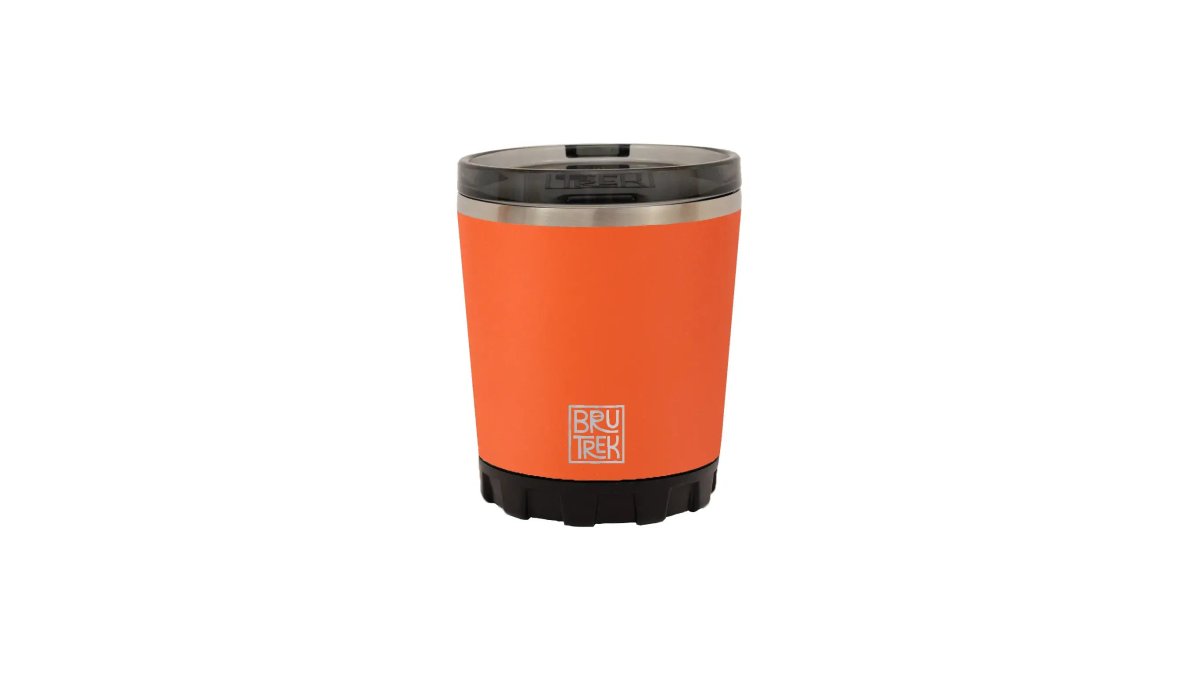
The BruTrek® Camp Cup represents a solid middle ground for outdoor enthusiasts. At 8 fluid ounces with a stainless steel construction and rubber-padded bottom, it's designed for rugged durability and stackable storage in your backpack. The lid prevents spills and helps retain temperature. At $22.00, it's an accessible entry point into quality outdoor drinkware.

For those prioritizing ultralight weight, Adventure Alan's recommendations suggest looking for double-wall insulated titanium mugs in the 3.5-4 oz range. These mugs balance weight savings with improved heat retention compared to single-wall options.
Single-wall titanium mugs remain popular among backpackers who want versatility. You can use them for drinking coffee, heating water, or even cooking a quick meal directly over a flame. The lightweight construction and ability to withstand high temperatures make single-wall titanium mugs excellent multi-purpose camp gear.
Consider your brewing method too. If you're using a French press or pour-over setup, you might prioritize a larger capacity mug. If you're heating water in the mug itself, a smaller single-wall titanium cup becomes more practical.
The Real Cost: Is Titanium Worth the Premium Price
This is where the titanium conversation gets honest. A titanium coffee mug costs significantly more than stainless steel or ceramic alternatives. LaMose's 2026 analysis notes that titanium mugs cost at least twice as much as comparable steel mugs. The premium reflects the material's properties: lighter weight, superior corrosion resistance, and durability. But is that premium justified for your specific use case?
The clearest way to answer is price per year of use. Take a single-wall titanium mug at roughly $40 and assume it lasts 15 years with normal care. That works out to about $2.67 per year. A comparable stainless steel mug at roughly $20 that lasts 8 years costs about $2.50 per year. On that math, the two are close, and the titanium premium is smaller than the sticker price suggests. A double-wall insulated titanium mug at $70-80 over 15 years is about $4.67-5.33 per year, while an insulated stainless steel mug at $30-40 over 8 years is about $3.75-5.00 per year. The gap narrows further when you factor in replacement: stainless steel dents and its vacuum seal can fail after repeated drops, while titanium resists dents and does not rely on a seal in single-wall form.
For backpackers and hikers, the math often works out on weight alone. Saving 2-3 ounces across a multi-day trip reduces fatigue and joint strain, and that has real value to anyone carrying a pack for hours. For home and office use, the premium becomes harder to justify. You are not carrying your mug across a mountain range, the durability advantage matters less when the mug sits on a desk, and heat retention, where insulated stainless steel excels, becomes more important than weight.
The honest assessment: titanium is worth it if weight and portability matter to your lifestyle. It is not worth it if you are prioritizing affordability or heat retention for everyday use. The premium buys ounces and toughness, not warmth.
Titanium Mugs for Home and Office Use
While titanium mugs excel in outdoor settings, they're less optimal for typical home and office environments. That doesn't mean they're a poor choice, it just means you're paying a premium for advantages you won't fully use.
The Happy Bear Coffee Mug offers a different approach for home and office use. This 15-ounce ceramic mug is designed for comfort and durability in everyday settings. At $14.00, it's an affordable way to enjoy quality coffee at your desk or breakfast table. The ceramic construction retains heat reasonably well, and it's dishwasher and microwave safe for convenient cleaning.

For home use, ceramic or stainless steel mugs make more practical sense than titanium. You're not concerned about weight. You probably want good heat retention so your coffee stays hot while you work. Ceramic offers better insulation than single-wall titanium and costs significantly less.
If you specifically want a titanium mug for home use, you're likely drawn to its aesthetic appeal or durability reputation rather than its functional advantages. That's a valid reason, titanium mugs look distinctive and signal quality. Just recognize you're paying a premium for properties that matter more in outdoor contexts.
The exception: if you travel frequently or split time between home and outdoor adventures, a titanium mug becomes more versatile. One mug serves both contexts well.
Cooking and Heating Drinks in a Titanium Mug
One of titanium's underrated advantages is its ability to handle direct heat. Single-wall titanium mugs can be placed directly over a campfire or camp stove to heat water or cook simple meals. This versatility makes them genuinely useful for backpacking.
You can boil water in a titanium mug for instant coffee, tea, or rehydrating freeze-dried meals. Learn how to make coffee while backpacking with practical brewing methods that work well in the backcountry. You can warm leftover food. You can even brew coffee directly in the mug if you're using loose grounds or a pour-over method. This multi-purpose functionality reduces the total gear you need to carry.
Stainless steel and ceramic mugs can't handle direct flame the same way. Their handles may melt or burn. Their construction may not withstand sustained high heat.
How To Make Coffee While Backpacking provides detailed guidance on brewing methods that work well with titanium mugs. The combination of a lightweight titanium mug and a simple brewing method creates an efficient, packable coffee solution for the trail.
Watch out: titanium conducts heat rapidly. If you're heating water directly in the mug, the exterior will become extremely hot. Always use a handle, cloth, or wait for it to cool slightly before handling. Burns are the main risk with direct-heat cooking in titanium mugs.
Choose Your Perfect Titanium Mug
Your decision comes down to context and priorities. Ask yourself three questions:
First, how much does weight matter? If you're a regular backpacker or travel with carry-on luggage only, weight savings justify titanium's premium. If your mug stays in one place, weight is irrelevant.
Second, how important is heat retention? If you want coffee to stay hot for hours, insulated stainless steel outperforms single-wall titanium. If you're sipping immediately after brewing, heat retention matters less.
Third, what's your budget? Titanium represents a significant investment. If you're budget-conscious, ceramic or basic stainless steel mugs deliver solid performance at half the price.
For outdoor enthusiasts who prioritize ultralight gear and durability, titanium is worth the investment. For casual coffee drinkers at home, it's an unnecessary premium. Most people fall somewhere in between, and that's where you need to honestly assess whether the advantages align with your actual use.
Frequently Asked Questions
Why choose titanium over stainless steel for a coffee mug?
Titanium weighs 40-45% less than stainless steel, making it ideal if you prioritize portability for backpacking or travel. However, stainless steel typically retains heat longer and costs less upfront. Choose titanium if weight matters more than heat retention; choose steel if you want maximum insulation and lower cost. For home use, the weight difference rarely justifies the price premium.
Do titanium mugs keep coffee hot as long as insulated options?
Single-wall titanium mugs cool drinks faster than double-walled insulated mugs because they lack an air gap for insulation. However, titanium's thinness makes it versatile, you can use it for cooking or heating cold coffee over a camp stove, which stainless steel insulated cups cannot do. If keeping coffee hot is your only priority, double-walled insulated drinkware works better.
Are titanium mugs safe to use daily?
Yes, pure titanium is safe for daily use. It resists corrosion, does not leach metallic flavors into beverages, and is durable enough for both hot and cold drinks. Titanium's inert nature means it won't react with coffee, tea, or water. Always check that your mug is food-grade titanium and follow the manufacturer's care instructions for longevity.
What is the best titanium cup for backpacking?
Double-wall insulated titanium mugs in the 3.5-4 ounce range offer the best balance of weight, durability, and functionality for backpacking. If your current mug weighs more than 5 ounces, upgrading to a lightweight titanium option can reduce carried weight significantly. Single-wall titanium cups work well if you plan to cook or heat meals in your cup and want maximum portability.
Choosing the right drinkware shapes your coffee experience, whether you're at your desk or on a mountain trail. Happy Bear Coffee offers brewing equipment designed for different contexts and priorities. Our BruTrek® Camp Cup and Happy Bear Coffee Mug give you options that match your lifestyle. Explore our collection and find the mug that fits how you actually drink coffee.



Dejar un comentario
Este sitio está protegido por hCaptcha y se aplican la Política de privacidad de hCaptcha y los Términos del servicio.