
게시글: Best Ethically Sourced Single-Origin Coffee for Home Brewing
Best Ethically Sourced Single-Origin Coffee for Home Brewing
Last Updated: October 22, 2026
Quick Summary
The best ethically sourced single-origin coffee for home brewing balances traceable origins, published third-party testing, and a roast profile suited to your brewer. Blooming Bear Ethiopian Yirgacheffe at $20.50 is the best all-around pick, Island Bear Jamaican Blue Mountain at $62.00 is the reserve splurge, and Colombian Cloud at $19.00 is the value workhorse.
- Score bags on named producer, stated farmgate premium, supply chain length, lot separation, and third-party testing.
- A fair trade logo alone does not mean the coffee is single-origin, so check the origin line separately.
- Brew with a 1:16 ratio and water between 195°F and 205°F for consistent results.
- Pair bright washed coffees with pour-over and earthy low-acid coffees with French press.
- Enjoy whole bean coffee within two to four weeks of the roast date and store it away from light and heat.
Table of Contents
- How We Chose the Best Ethically Sourced Single-Origin Coffee Brands
- Quick Comparison: Single-Origin Beans at a Glance
- The Benefits of Single-Origin Coffee for Home Brewers
- Fair Trade Coffee Certifications and What They Actually Verify
- Island Bear Jamaican Blue Mountain: The Reserve Splurge
- Blooming Bear Ethiopian Yirgacheffe: Floral and Bright
- Everyday Single-Origin Picks Under $21
- How to Brew Single-Origin Coffee at Home
- Storage, Water, and Shelf Life: What Competitors Skip
- Which Single-Origin Bean Should You Pick?
- Frequently Asked Questions
How We Chose the Best Ethically Sourced Single-Origin Coffee Brands
The best ethically sourced single-origin coffee brands for home brewing combine verifiable sourcing, fresh roasting, and a flavor profile that matches how you actually brew. Happy Bear Coffee built this guide around three filters: whether the origin is traceable to a specific farm or region, whether the roaster publishes third-party testing, and whether the bean's roast profile suits pour-over, French press, or espresso.
We weighted traceability hardest. A bag that says "single-origin" but names no region, altitude, or processing method tells you almost nothing. Fair Trade Certified notes that ethical sourcing and sustainability certifications provide a framework for transparency and fair compensation across the supply chain, which is why we treat certification as a starting point rather than a finish line. Third-party lab testing for mold and mycotoxins has become a growing standard among health-conscious buyers in the specialty market.
Then we looked at freshness. Whole bean coffee stales fast once roasted, so we favored roasters who pack to order in small batches. Finally, we checked brewing compatibility, because a delicate washed Ethiopian and an earthy wet-hulled Sumatran demand very different grind sizes and water temperatures.
Below, we show you exactly how each pick performs, what it costs, and which brew method it suits best.
Quick Comparison: Single-Origin Beans at a Glance
Here is the short answer for anyone deciding right now: Blooming Bear Ethiopian Yirgacheffe at $20.50 is the best all-around pick for most home brewers, Island Bear Jamaican Blue Mountain at $62.00 is the reserve splurge, and Colombian Cloud at $19.00 is the value workhorse.

| Coffee | Origin | Roast | Price | Best Brew Method | Best For |
|---|---|---|---|---|---|
| Blooming Bear | Ethiopia Yirgacheffe | Medium | $20.50 | Pour-over, French press | Floral, bright cups |
| Island Bear | Jamaica Blue Mountain | Medium | $62.00 | Drip, espresso | Special occasions |
| Hawaiian Breeze | Hawaii Kona Prime | Medium | $67.00 | Drip, pour-over | Sweet, low-bitterness cups |
| Colombian Cloud | Colombia | Medium | $19.00 | Drip, French press | Everyday balance |
| Guatemalan Glow | Guatemala | Medium | $19.50 | Pour-over, drip | Tart, clean sweetness |
| Tanzania Peaberry Punch | Tanzania | Medium | $20.00 | French press, Chemex | Cocoa and fruit depth |
| Peruvian Elevated Delight | Peru | Medium | $20.00 | Drip, pour-over | Caramel sweetness |
| Cubby's Go-To | Costa Rica | Medium | $20.00 | Pour-over, drip | Citrus brightness |
| Papua's Mountain Brew | Papua New Guinea | Medium | $20.00 | French press, drip | Mild, sweet cups |
| Sumatran Trail | Sumatra | Medium | $19.00 | French press, espresso | Earthy, low-acid cups |
Every bag listed is 12 ounces of whole bean coffee.
The Benefits of Single-Origin Coffee for Home Brewers
Single-origin coffee is coffee harvested from one defined region, farm, or micro-lot rather than blended across multiple origins. That single source lets you taste a specific place, altitude, and processing method instead of a roaster's attempt to smooth everything into consistency.
The practical benefit for home brewers is control. When you brew a single-origin bean, you can isolate variables: change the grind and you taste the difference, because nothing in the bag is masking it. Blends are built for balance and repeatability, which is why some experts argue a high-quality blend delivers more consistent results than the sometimes volatile nature of single-origin lots.
What most guides miss is that single-origin beans reward attention to roast profile. A medium roast like Blooming Bear keeps the floral aromatics of Yirgacheffe intact, while a darker roast would flatten them into generic chocolate notes. Buy the roast that protects the character you paid for.

Fair Trade Coffee Certifications and What They Actually Verify
Fair trade coffee certifications verify that producers received a minimum price and that supply chains meet social and environmental standards. They do not verify flavor quality, freshness, or roast date, and they don't guarantee the coffee in your bag came from a single farm.
That distinction matters when you're comparing labels. Fair Trade Certified explains that certification creates a framework for transparency and fair compensation, which addresses farmer livelihoods rather than cup quality. Direct trade goes further in some cases: roasters negotiate straight with farms, often paying above certification minimums in exchange for traceability and specific lot selection. Organic certification, meanwhile, speaks to how the coffee was grown rather than how it was traded, and environmental seals such as Rainforest Alliance address farm-level practices like shade management and water use. None of these seals, on their own, tells you whether the farmer was paid well or whether the lot is truly single-origin.
A Transparency Rubric You Can Apply in the Store
Most guides stop at defining the labels. The more useful exercise is scoring the claim itself. Use these five signals, in order of how much they actually tell you:
- Price paid to the farmer, or a stated farmgate premium. The strongest roasters publish what they paid above the commodity market or above the certification floor. A named premium is harder to fake than a logo.
- Supply chain length. Count the hands between the farm and your bag. A roaster that buys directly from a named washing station, estate, or cooperative has a shorter chain than one buying through an importer and exporter, and shorter chains are easier to audit.
- Named producer or cooperative. "Ethiopia" is weak. "Yirgacheffe" is better. A named washing station, estate, or cooperative is best, because it can be checked.
- Processing method and lot separation. Washed, natural, and honey processes change flavor dramatically and signal a roaster paying attention. A roaster that keeps lots separate is more likely to know where each bag came from.
- Third-party verification or lab testing. Fair Trade, organic, Rainforest Alliance, or a stated independent test for mold and mycotoxins. Certification is a starting point, not a finish line.
Score each bag on those five and you get a rough ranking that no single seal can give you. A coffee with a named cooperative, a stated premium, and a published roast date beats a bag with three logos and no origin detail every time.
What Each Label Actually Covers
| Label or claim | What it verifies | What it does not verify |
|---|---|---|
| Fair Trade Certified | Minimum price and social/environmental standards for producers | Flavor, freshness, single-farm origin |
| Direct trade (roaster-stated) | Direct negotiation and often above-floor pricing | Uniform standards across roasters; auditability varies |
| USDA Organic | Growing practices and inputs | Fair pricing, traceability to a single lot |
| Rainforest Alliance | Farm-level environmental and social practices | Cup quality or price paid to farmer |
| Third-party lab test (roaster-stated) | Mold and mycotoxin screening | Sourcing ethics or origin identity |
Use the table as a map, not a verdict. The rubric above is what separates a genuinely transparent roaster from one that has learned which logos to print.
Island Bear Jamaican Blue Mountain: The Reserve Splurge
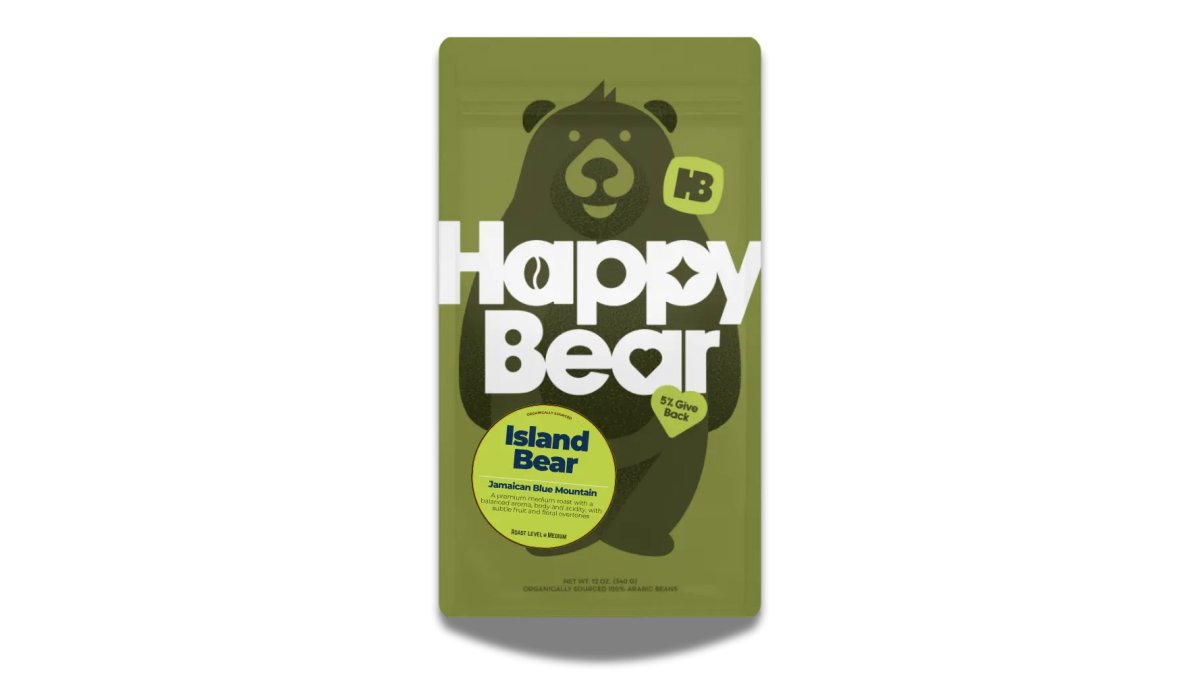
Island Bear is the bag we reach for when the occasion calls for something quiet and refined. At $62.00 for 12 ounces, it is 100% Jamaican Blue Mountain from the Blue Baron Estate, certified Genuine No.1 by the Jamaica Agricultural Commodities Regulatory Authority for the 2023/24 crop. No blending, no filler origins.
The flavor is exactly what Blue Mountain is known for: orange, cream, and milk chocolate, with balanced aroma, body, and acidity. Bitterness is almost absent, which makes it unusually forgiving if your brewing technique is still developing. It works in a drip machine or as espresso without demanding precision.
Where it falls short is value per cup. You are paying for rarity and a famously narrow growing area, not for intensity. If you want a bold, punchy coffee, this is the wrong bag. If you want a smooth, sweet cup to serve guests or mark a weekend morning, it is an excellent choice.
Pros: Certified 100% single-origin, exceptionally smooth, versatile across brew methods. Cons: Highest price per ounce in the lineup, subtle rather than bold flavor.
Blooming Bear Ethiopian Yirgacheffe: Floral and Bright
Blooming Bear is our top pick for most home brewers, and the reason is simple: Ethiopian Yirgacheffe is the benchmark against which high-quality Arabica gets measured. At $20.50, it delivers jasmine, citrus, and stone fruit notes with bright acidity and a smooth, tea-like body.
Grown in the southern Ethiopian highlands and roasted in small batches, this medium roast holds onto its aromatics. Brew it as a pour-over and you get the full floral lift; use a French press and the body fills out without losing the citrus.
The honest limitation: Yirgacheffe is polarizing. If you take milk and sugar, the delicate florals get buried. This is a black-coffee bean.
Island Bear - Jamaican Blue Mountain 100% →
Everyday Single-Origin Picks Under $21
Seven bags in the lineup land at $20.50 or less, and this is where most households should shop. Colombian Cloud and Sumatran Trail both come in at $19.00, making them the cheapest entry points, and both are available decaffeinated using a chemical-free Swiss Water Process.
Colombian Cloud brings lemons, brown sugar, and milk chocolate with a mellow body and clean finish. Sumatran Trail is the opposite end of the spectrum: wet-hulled, earthy, herbaceous, low in acidity, with dark chocolate and a hint of smokiness. If you find bright African coffees too tart, Sumatra is your answer.
Cubby's Go-To Costa Rican delivers up-front sweetness, mild nuttiness, and gentle citric acidity at $20.00. Guatemalan Glow at $19.50 leans tart and clean with lemongrass and praline. Peruvian Elevated Delight brings caramelized sugar and grape jelly. Papua's Mountain Brew is the mildest of the group, with almonds and lemongrass at 4,000 feet and above.
Tanzania Peaberry Punch at $20.00 is the sleeper. Peaberries form as a single rounded seed per cherry rather than two flat beans, and the denser structure concentrates flavor into cocoa, tropical fruit, and lemongrass.
How to Brew Single-Origin Coffee at Home
Brewing single-origin coffee at home comes down to four variables: grind size, water temperature, ratio, and freshness. Get those right and a $19.00 bag can taste excellent.
Start with a 1:16 ratio, meaning 1 gram of coffee to 16 grams of water. For a standard 12-ounce mug, that's roughly 22 grams of coffee to 350 grams of water. Heat water to between 195°F and 205°F. Grind medium for drip and pour-over, medium-coarse for French press, and fine for espresso.
Pair the Bean to the Brewer
Most guides list brew methods in the abstract. Single-origin beans are not interchangeable across brewers, because each method extracts differently. Here is how to match them:
- Pour-over (V60, Chemex, Kalita): Best for bright, washed, high-acidity coffees like Blooming Bear Ethiopian Yirgacheffe and Cubby's Go-To Costa Rica. The paper filter traps oils and fines, which clarifies the cup and lets floral and citrus notes read cleanly. Use a medium grind and pour in stages so the bed drains evenly.
- French press: Best for earthy, full-bodied, low-acid coffees like Sumatran Trail and Tanzania Peaberry Punch. The metal mesh lets oils and sediment through, which builds body and rounds off sharp acidity. Use a medium-coarse grind and a full four-minute steep.
- Espresso: Best for chocolaty, sweet, lower-acidity coffees like Island Bear Jamaican Blue Mountain and Colombian Cloud. Espresso concentrates flavor and amplifies bitterness, so delicate florals can turn harsh under pressure. Use a fine grind and expect to dial in the dose.
- Drip machine: The most forgiving method, and a reasonable home for sweet, balanced coffees like Peruvian Elevated Delight and Hawaiian Breeze. Use a medium grind and preheat the carafe so the coffee does not sit on a hot plate.
A delicate washed Ethiopian in a French press may not yield the desired clarity; an earthy Sumatra in a V60 may not yield the desired body. The bean and the brewer often have to agree.

Water Chemistry Is Half the Cup
Water is roughly 98% of your cup, and its mineral content decides which flavor compounds make it into the brew. Two minerals matter most: magnesium and calcium. Magnesium binds readily to the fruity and floral acids that give single-origin coffees their character, so water with moderate magnesium can extract sweetness and acidity more evenly. Distilled or reverse-osmosis water may produce a flat, hollow cup because it lacks the minerals that carry those compounds into solution. Very hard water can over-extract and mute delicate notes under a chalky finish.
A practical target is water with moderate hardness and a neutral pH. If your tap water is hard or heavily chlorinated, filtering it or starting from bottled water with a stated mineral content can be beneficial. Brewing delicate single-origin lots with distilled water may not bring out the full tasting notes on the bag.
Storage, Water, and Shelf Life: What Competitors Skip
Most coffee guides stop at the brew method. Water chemistry and storage can significantly influence whether your single-origin beans taste the way the roaster intended.
Water is roughly 98% of your cup. If your tap water is hard or heavily chlorinated, it can mute tasting notes. Filtered water with moderate mineral content can extract sweetness and acidity more evenly than distilled water, which may produce a flat, hollow cup because it lacks the minerals that bind to coffee compounds.
Storage matters just as much. Whole bean coffee is best enjoyed within two to four weeks of the roast date and degrades faster once ground. Keep beans in an opaque, airtight container at room temperature, away from light and heat. It is generally recommended to skip the fridge, which can introduce moisture and odors. Freezing can work for longer storage if the bag is sealed and you don't thaw and refreeze repeatedly.
A note on packaging: many specialty roasters now offer compostable packaging, which supports environmental stewardship. Transfer to a proper container once opened.
Which Single-Origin Bean Should You Pick?
The right single-origin coffee depends on how you brew and what you want to taste. For most home brewers, Blooming Bear Ethiopian Yirgacheffe at $20.50 is an excellent starting point: bright, floral, and can help you learn about extraction. If you prefer low-acid, earthy cups, Sumatran Trail at $19.00 is a great pick. For a splurge or a gift, Island Bear Jamaican Blue Mountain at $62.00 is genuinely rare and genuinely smooth.
Happy Bear Coffee roasts in small batches and packs to order, so the roast date on your bag is close to the day it ships. Every coffee in the lineup is certified mold-free through independent third-party lab testing, and the catalog includes decaffeinated versions of Colombian Cloud and Sumatran Trail for anyone cutting caffeine. As a Specialty Coffee Association member and NGLCC Certified LGBT Business Enterprise, we put 5% of purchases back into the community through our customer-powered donation program.
Picking a single-origin coffee is easy. Keeping the right one on your shelf, at the right roast date, brewed with water that does it justice, is the harder part. Happy Bear Coffee solves that with freshly packed small-batch coffee delivered to your door, customizable bundle subscriptions you can pause when you travel, and a mix-and-match menu that lets you pair a bright Ethiopian with an earthy Sumatran in the same order. Get started with Happy Bear Coffee and build a bundle that matches how you actually brew.
Frequently Asked Questions
What does 'ethically sourced' actually mean for coffee brands?
Ethically sourced coffee means the beans were produced with fair compensation for farmers, transparent supply chains, and environmental practices that protect the land. Certifications like Fair Trade provide a framework for transparency and fair compensation, according to Fair Trade Certified. Some roasters go further with direct trade relationships that surpass standard certification requirements. When evaluating a brand, look for third-party verification, published sourcing details, and specific information about farmer partnerships rather than vague claims. Happy Bear Coffee, for example, is a Specialty Coffee Association member and NGLCC Certified LGBT Business Enterprise with a 5% donation program.
How can you tell if single-origin coffee is high quality?
High-quality single-origin coffee typically shows specific origin information (farm, region, altitude), a roast date rather than just a best-by date, and detailed tasting notes. Third-party lab testing for mold and mycotoxins is a growing standard for health-conscious consumers. Look for certifications like organic, Fair Trade, or region-specific verifications. For example, Island Bear Jamaican Blue Mountain carries JACRA certification from the 2023/24 crop, and Hawaiian Breeze Kona is certified by the Hawaii Department of Agriculture. Fresh-roasted, small-batch beans with clear traceability usually indicate higher quality.
What is the difference between single-origin and blend coffee?
Single-origin coffee comes from one specific region, farm, or lot, which means it expresses the distinct flavor profile of that place, including its altitude, soil, and processing method. Blends combine beans from multiple origins to create a consistent, balanced cup. Some experts argue high-quality blends offer more consistent flavor than the sometimes volatile nature of single-origin beans. The benefits of single-origin coffee include traceability and the ability to taste regional characteristics like Ethiopian Yirgacheffe's floral notes or Sumatran Trail's earthy body. Blends are great for everyday consistency; single-origin is for exploring specific flavors.
What is the best way to store single-origin beans to maintain freshness?
Store whole bean single-origin coffee in an opaque, airtight container at room temperature, away from light, heat, and moisture. Buy only what you will use within two to four weeks of the roast date. It is generally recommended to avoid storing beans in the refrigerator or freezer unless you portion them into vacuum-sealed bags, as condensation and food odors can degrade flavor. Grind just before brewing to preserve aroma and oils. Happy Bear Coffee's Sumatran Trail and Colombian Cloud are available in decaf versions using chemical-free Swiss Water Process, and all HBCC coffees are certified mold-free by independent third-party lab testing, which supports better shelf life.
How does single-origin coffee affect the flavor profile of home-brewed coffee?
Single-origin coffee highlights the specific characteristics of its growing region, so your brewing method can dramatically change what you taste. A washed Ethiopian Yirgacheffe like Blooming Bear shines with pour-over, where bright citrus and jasmine notes come forward. A Sumatran Trail with earthy, low-acidity character works well in a French press to emphasize body. Grind size and water temperature matter: Tanzania Peaberry Punch brews best with a medium grind and water around 200°F. Experiment with one variable at a time so you can taste how origin and technique interact in the cup.

댓글 남기기
이 사이트는 hCaptcha에 의해 보호되며, hCaptcha의 개인 정보 보호 정책 과 서비스 약관 이 적용됩니다.