
Article: Best Coffee Beans for French Press: 2026 Guide
Best Coffee Beans for French Press: 2026 Guide
Table of Contents
- What Makes Coffee Beans Suitable for French Press
- French Press Grind Size Guide: Getting It Right
- Roast Profiles: Light vs. Medium vs. Dark for Immersion Brewing
- Single-Origin vs. Blends: Which Works Better
- How to Brew French Press Coffee: Step-by-Step
- French Press Coffee Ratio and Water Chemistry
- Freshness and Roast Date: Why They Matter
- Top Coffee Beans for French Press
- Common Mistakes When Brewing French Press
- Storage and Bean Selection: Keeping Your Coffee Fresh
- Frequently Asked Questions
Last Updated: September 28, 2026
What Makes Coffee Beans Suitable for French Press
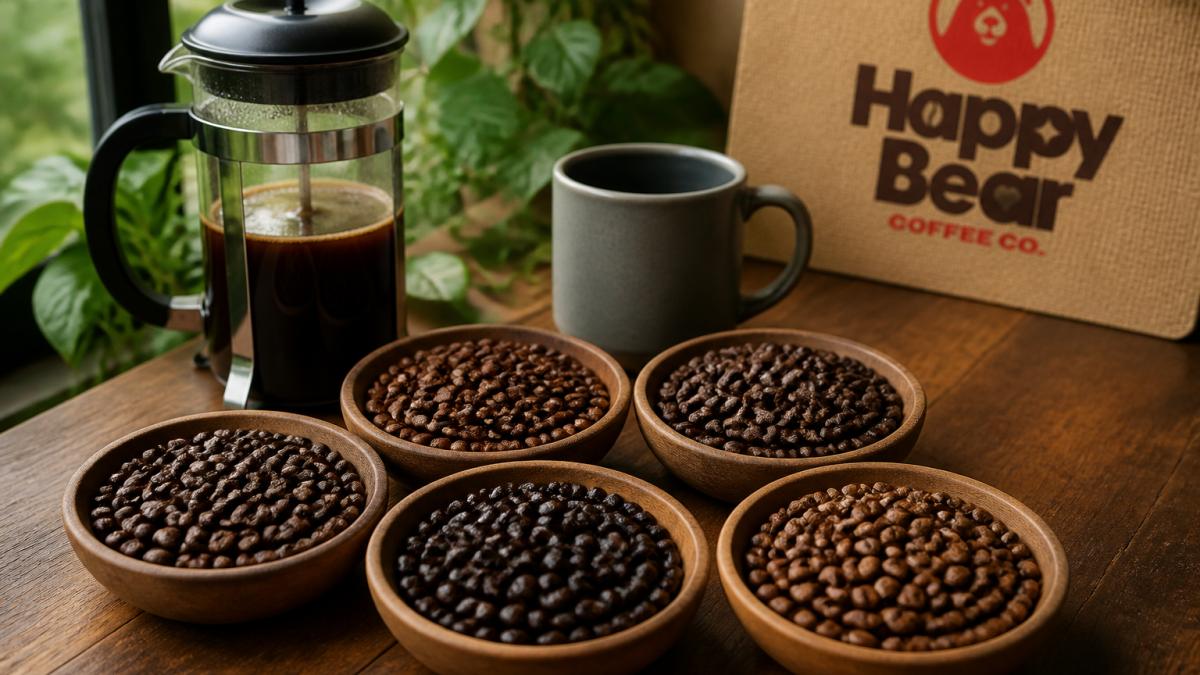
The best coffee beans for french press work with immersion brewing, where grounds steep directly in hot water for several minutes before pressing the plunger. This method demands beans with specific characteristics other brewing methods don't require.

Medium to dark roasts work best for French press because their oils create the full-bodied mouthfeel immersion brewing excels at. Light roasts tend to taste thin and underwhelming in this method.
Single-origin beans shine in French press because the longer steeping time pulls out subtle tasting notes, chocolate undertones, earthy qualities, fruit notes, that get lost in faster brewing methods. Beans roasted within two to four weeks deliver the best aroma and flavor; older beans taste flat and stale.
French Press Grind Size Guide: Getting It Right
Grind size makes or breaks French press. Too fine causes sediment and bitter over-extraction; too coarse causes weak, sour under-extraction.
The sweet spot is a coarse, consistent grind, think sea salt or breadcrumbs, not powder. A burr grinder produces uniform particle size far better than a blade grinder. The BruTrek Hand Coffee Grinder features precision-engineered stainless steel burrs with adjustable grind settings.

Hand grinding takes 3-5 minutes; electric grinders cut this to under a minute.
Grind beans just before brewing, ground coffee loses aroma and flavor within minutes, while whole beans stay fresh for weeks.
Roast Profiles: Light vs. Medium vs. Dark for Immersion Brewing
Roast level determines how much heat transforms the coffee's natural acidity and flavor compounds.
Light roasts preserve origin characteristics and terroir with bright acidity and subtle fruit flavors. In French press, they can taste thin because immersion brewing doesn't extract as much body.
Medium roasts hit the sweet spot for French press, developing body and sweetness while preserving origin character. Cubby's Go-To Costa Rican exemplifies this profile with bright citrus notes and honey-like sweetness.
Dark roasts emphasize the roasting process with bold, smoky, chocolatey flavors and low acidity. Surface oils create a full-bodied, syrupy mouthfeel. In a properly brewed French press, they deliver a clean, rich cup.
Single-Origin vs. Blends: Which Works Better
Single-origin coffees come from one region or farm; blends combine different origins. For French press, choose based on your desired flavor experience.
Single-origin beans let you taste terroir, altitude, soil, climate, and farming practices. French press's immersion method highlights these geographic differences perfectly.
Blends combine beans strategically for balanced, consistent flavor. They're more forgiving if one origin has a bad harvest year, and offer reliability for everyday drinking.
For French press, both work well. Single-origins showcase complexity and origin character; blends deliver balance and consistency. Happy Bear Coffee offers both.
How to Brew French Press Coffee: Step-by-Step
Total Time: 8-10 minutes
Brewing French press is straightforward: about four minutes of active steeping, plus heating and cooling water.
Step 1: Heat Your Water [Time: 3-5 minutes]
Bring fresh, filtered water to a boil, then cool for 30-45 seconds. Water at 195-205°F extracts optimally; boiling water (212°F) over-extracts and tastes burnt.
Step 2: Measure Your Coffee and Grind [Time: 2-3 minutes]
Use a 1:16 coffee-to-water ratio. For a 32 oz French press, that's roughly 14 grams of whole beans. Grind immediately before brewing to a coarse, consistent size.
Step 3: Add Coffee to the French Press [Time: 30 seconds]
Pour ground coffee into the empty French press and shake slightly to settle the grounds.
Step 4: Bloom Your Coffee [Time: 30 seconds]
Pour just enough hot water to saturate the grounds, about twice the coffee's weight. This "bloom" releases trapped gases and allows even water penetration.
Step 5: Pour the Remaining Water [Time: 30 seconds]
Slowly pour the remaining hot water to about 1 inch below the rim and stir gently to ensure all grounds are saturated.
Step 6: Steep [Time: 4 minutes]
Place the lid on top with the plunger pulled all the way up. Let the coffee steep for exactly four minutes, less than three minutes causes under-extraction; more than five causes over-extraction and bitterness.
Step 7: Press and Pour [Time: 1 minute]
Slowly press the plunger down over 20-30 seconds, allowing sediment to settle. Pour immediately, coffee left in the press continues to extract and stales within minutes.
French Press Coffee Ratio and Water Chemistry
The coffee-to-water ratio determines brew strength. Start with 1:16, then adjust based on preference.
For a 32 oz French press, use roughly 0.5 ounces of coffee to 16 ounces of water, or grounds covering the bottom about half an inch deep.
Prefer stronger coffee? Try 1:15 or 1:14. Prefer lighter? Try 1:17 or 1:18. The ratio is your main control lever.
Water chemistry affects extraction. Soft water extracts slowly and tastes flat; hard water extracts quickly and tastes over-extracted. Filtered water works well for most people.
If your tap water tastes off, use filtered or bottled spring water for consistent results.
Brutrek French Press with Bru-Stop™ →
Freshness and Roast Date: Why They Matter
Coffee is a perishable product. The moment beans are roasted, they begin losing volatile aromatic compounds that create flavor and aroma. After about two weeks, the flavor degradation accelerates noticeably. After a month, most beans taste flat and stale.
The roast date on a bag tells you exactly how fresh the beans are. This single piece of information is more valuable than any marketing claim or tasting note. Buy beans roasted within the past two weeks for peak flavor. Beans roasted up to four weeks ago still taste good. Avoid anything older than that unless you have no choice.
All Happy Bear Coffee beans are freshly roasted in small batches. The roast date is printed on every bag, so you know exactly what you're getting.
Storage matters too. Once you open a bag, oxygen and light begin degrading the beans. Store opened bags in an airtight container away from direct sunlight and heat. An Airscape Coffee Canister uses patented airtight technology that removes oxygen, preserving freshness far better than a regular container. For larger quantities, the Airscape Kilo Coffee Canister holds up to 2.5 pounds and maintains freshness for weeks.
Whole beans stay fresh longer than ground coffee. If you grind your beans, use them within hours, not days. Ground coffee stales so fast that pre-ground coffee from a grocery store shelf has usually lost most of its flavor by the time you brew it.
Top Coffee Beans for French Press
| Coffee | Roast | Origin | Flavor Profile | Price | Best For |
|---|---|---|---|---|---|
| Cubby's Go-To Costa Rican | Medium | Costa Rica | Citrus, honey, sweetness | $20 | Everyday balanced brewing |
| Sumatran Trail | Medium | Sumatra | Earthy, chocolate, low acidity | $19 | Full-bodied, bold cups |
| Colombian Cloud | Medium | Colombia | Cocoa, caramel, citrus | $19 | Smooth, balanced profile |
| Guatemalan Glow | Medium | Guatemala | Lemongrass, praline, tart | $19.50 | Sustainable sourcing |
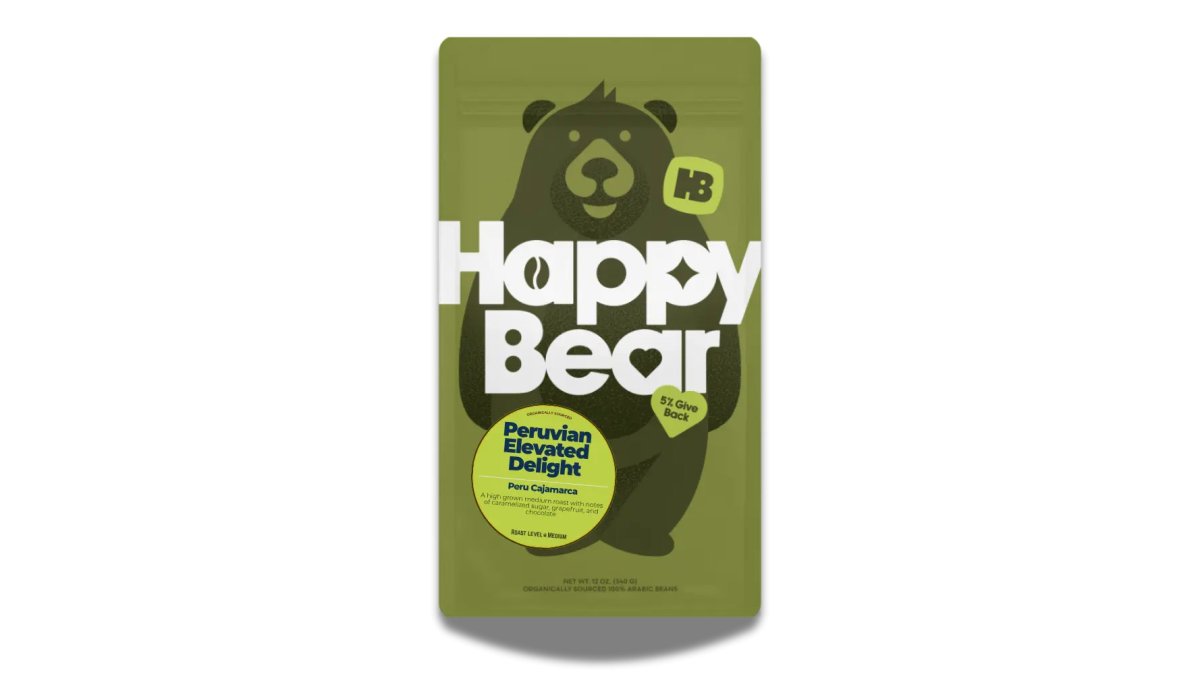
| Peruvian Elevated Delight | Medium | Peru | Caramel, grapefruit, chocolate | $20 | Complex fruit notes |
Cubby's Go-To Costa Rican: Balanced Citrus and Sweetness
This is the pick for anyone who wants a reliable, balanced cup without overthinking it. Cubby's Go-To is a medium roast that delivers what Costa Rican coffee does best: bright citrus notes paired with honey-like sweetness and a clean finish.
Costa Rican beans grow at high altitudes in volcanic soil. The elevation and mineral-rich soil create beans with natural sweetness and balanced acidity. This coffee captures that profile perfectly. Brewed in a French press, it tastes smooth and full-bodied while maintaining enough brightness to feel fresh. The citrus notes don't overpower, they add complexity without sharpness.
This bean works for everyday brewing. It's forgiving if your grind or timing is slightly off. It tastes good whether you prefer your ratio stronger or lighter. At $20 per bag, it's competitively priced for a specialty single-origin. If you're building a coffee routine and want one reliable bean to start with, this is it.
Sumatran Trail: Full-Bodied Earthiness and Low Acidity
Choose Sumatran Trail if you want bold, earthy flavor with almost no sharp acidity. This medium roast comes from wet-hulled Sumatran beans, a processing method that creates a distinctive profile: earthy, herbaceous, intense, with notes of dark chocolate and spice.
Wet-hulling is unique to Sumatra. The process removes the fruit from the bean before it's fully dried, which creates higher moisture content during roasting. This results in a heavier body and lower acidity than washed coffees. In a French press, Sumatran Trail tastes rich and almost syrupy, with a mouthfeel that fills your mouth.
This bean suits people who find most coffee too acidic or bright. It's also available as decaffeinated using Swiss Water processing, which removes caffeine without chemical solvents. All Happy Bear Coffee beans are certified mold-free by independent testing. At $19, it's an excellent value for a specialty single-origin with this much character.
Colombian Cloud: Smooth Chocolate and Caramel Notes
Colombian Cloud is the pick if you want smoothness and balance with a hint of chocolate richness. This medium roast delivers notes of cocoa, caramel, and a subtle citrus brightness that feels almost like an afterthought rather than the main event.
Colombian coffee grows in high-altitude mountains where cool cloud cover nurtures the beans. The altitude and climate create balanced acidity and natural sweetness. In a French press, Colombian Cloud tastes silky and full without any harsh edges. The chocolate and caramel notes are prominent but not overpowering.
This bean works for people who like their coffee smooth and approachable. It's also available decaffeinated. At $19, it's priced the same as Sumatran Trail but offers a completely different flavor journey. If you're torn between bold and bright, Colombian Cloud splits the difference.
Guatemalan Glow: Tart, Sweet, and Sustainably Sourced
Guatemalan Glow stands out not just for flavor but for sourcing practices. This medium roast is slightly tart and sweet with notes of lemongrass and praline. More importantly, it's grown using sustainable farming practices and fair trade principles that support local communities.
Guatemalan coffee grows in volcanic soils at high altitudes, particularly in the Huehuetenango region, which reaches as high as 2,000 meters. The combination of altitude and volcanic minerals creates crisp acidity and full body. The lemongrass and praline notes are unusual and memorable, this bean tastes different from the others on this list.
Choose Guatemalan Glow if you care about the story behind your coffee. The farmers who grow these beans are part of cooperatives that ensure fair compensation and sustainable practices. Every purchase supports communities and environmental stewardship. At $19.50, it's slightly more expensive than some options, but the impact justifies the cost.
Peruvian Elevated Delight: Complex Fruit and Chocolate Blend
Peruvian Elevated Delight is the pick for complexity. This medium roast delivers notes of caramelized sugar, grapefruit, chocolate, and grape jelly, a flavor combination that sounds odd until you taste it and realize how well these notes work together.
Peru has ideal conditions for specialty coffee: high elevation, quality bean varieties like Typica and Caturra, and a growing movement toward organic farming among smallholder growers. These factors combine to create beans with natural complexity and balance. In a French press, Peruvian Elevated Delight tastes rich and fruit-forward, with enough chocolate undertones to feel full-bodied.
This bean suits coffee explorers who want something different. The fruit notes are prominent but not acidic. The chocolate grounds the flavor so it doesn't taste thin or bright. At $20, it's worth trying if you've enjoyed the other single-origins and want to experience how different origins create wildly different flavor profiles.
Common Mistakes When Brewing French Press
The most common mistake is using a fine grind. Fine grounds slip through the mesh filter and end up in your cup as sludge. They also over-extract during the long steeping time, creating a bitter, harsh flavor. Use a coarse grind, sea salt size, not powder.
The second mistake is steeping too long. Four minutes is the standard. Steeping for five or six minutes creates over-extraction. The coffee tastes flat, bitter, and stale. Set a timer and stick to it. This single variable controls more of the final flavor than anything else.
The third mistake is not blooming. Skipping the 30-second bloom means water doesn't penetrate the grounds evenly. Some grounds extract quickly, others slowly. You end up with an inconsistent cup that tastes muddy. Bloom every time, even if it feels like an extra step.
The fourth mistake is letting brewed coffee sit in the French press. After you press the plunger down, pour immediately into your cup. Coffee left in the press continues to extract and stales within minutes. If you're brewing for multiple people, pour into a carafe right after pressing.
The fifth mistake is using old beans or pre-ground coffee. Beans older than four weeks taste flat. Pre-ground coffee from a grocery store shelf has already staled. Buy whole beans with a roast date printed on the bag. Grind them just before brewing.
Storage and Bean Selection: Keeping Your Coffee Fresh
Whole beans stay fresh far longer than ground coffee. Store whole beans in an airtight container away from direct sunlight, heat, and moisture. A cool, dark pantry or cabinet is ideal. An Airscape Coffee Canister with its patented airtight technology removes oxygen and preserves freshness better than any other storage method.
Once you open a bag of beans, transfer them to an airtight container. The original bag, even if it has a one-way valve, lets oxygen in every time you open it. An Airscape Kilo Coffee Canister holds up to 2.5 pounds and keeps beans fresh for weeks.
Never store coffee in the refrigerator or freezer. The temperature fluctuations cause condensation, which introduces moisture and speeds up staling. Room temperature storage in an airtight container is best.
When selecting beans, check three things: the roast date, the origin, and the roast level. The roast date tells you freshness. The origin tells you the flavor profile. The roast level (light, medium, dark) tells you how much the roasting process has transformed the bean's natural characteristics.
For French press specifically, medium roasts work best. They deliver the full body immersion brewing excels at while preserving enough origin character to taste interesting. Single-origin beans let you explore how geography shapes flavor. If you're new to specialty coffee, start with a medium roast single-origin from a region known for balanced profiles, Costa Rican or Colombian beans are excellent entry points.
Happy Bear Coffee offers customizable bundle subscriptions, so you can mix and match different beans and have them delivered on your schedule. This takes the guesswork out of keeping fresh beans on hand. You choose which coffees you want, how often you want them, and you can pause or adjust anytime.
Brewing great French press coffee comes down to three things: fresh beans with a roast date printed on the bag, a coarse grind, and a four-minute steep. The beans you choose matter more than the equipment. Happy Bear Coffee offers single-origin and blended options roasted fresh in small batches, each with a roast date so you know exactly what you're getting. Pair your beans with a quality French press like the Brutrek with Bru-Stop or the OVRLNDR Travel Press, and you'll have everything you need to brew a clean, full-bodied cup that rivals any café.

Frequently Asked Questions
What makes the best coffee beans for French press?
The best coffee beans for French press have a coarse grind consistency, medium roast profile, and full-bodied flavor with lower acidity. Single-origin beans work well because immersion brewing extracts their complex notes. Look for beans with a roast date within 2-4 weeks of purchase. Medium roasts like Cubby's Go-To Costa Rican or Colombian Cloud deliver balanced extraction without over-extraction, while full-bodied options like Sumatran Trail showcase the earthy, rich characteristics that French press brewing emphasizes.
How does grind size affect French press coffee flavor?
Grind size directly controls extraction time and flavor intensity. A coarse grind (like breadcrumbs) allows water to pass through slowly, extracting full-bodied flavors without bitterness. Fine grinds over-extract, creating harsh, muddy coffee with excessive sediment. With a burr grinder like the BruTrek Hand Coffee Grinder, you can adjust from espresso-fine to French press coarse. Consistency matters more than perfection, aim for uniform particle size so all grounds steep evenly and you avoid sludge at the bottom of your cup.
What is the ideal French press coffee ratio?
A standard ratio is 1 part coffee to 15 parts water by weight. For a typical 34 oz French press, use about 30 grams (just over 1 ounce) of coarsely ground beans with 450 milliliters of water at 195-205°F. Adjust based on taste: use more coffee for stronger, bolder cups, or less for lighter extraction. Water chemistry matters too, filtered or bottled water produces cleaner cups than highly chlorinated tap water. Measure by weight rather than scoops for consistency across different bean densities.
Should I choose single-origin or blended coffee for French press?
Single-origin beans like Guatemalan Glow or Peruvian Elevated Delight showcase distinct regional flavor profiles, citrus, chocolate, and tasting notes, that immersion brewing highlights beautifully. Blends like Sumatran Trail are crafted to deliver consistent, full-bodied results across brewing methods. For French press specifically, single-origins offer more complexity and story, while blends provide predictable, balanced flavor. Try both: single-origins for exploration, blends for reliable daily brewing. All Happy Bear Coffee options work well in French press because they're roasted fresh in small batches.
How do I avoid sediment and sludge in my French press?
Sediment results from over-extraction or too-fine grind. Use a coarse, consistent grind from a burr grinder, the BruTrek Hand Coffee Grinder's adjustable settings prevent fines from getting through. Steep for 4 minutes, then gently stir and skim foam from the top before pressing. Press slowly and stop before you reach the very bottom where sediment accumulates. If you still see sludge, your grind is too fine or steeping time is too long. Some sediment is normal with French press; if it bothers you, try a pour-over or use the Bru-Stop plate on the Brutrek French Press, which holds grounds below the spout.

Leave a comment
This site is protected by hCaptcha and the hCaptcha Privacy Policy and Terms of Service apply.