
Article: Where the Best Specialty Coffee in the World Comes From
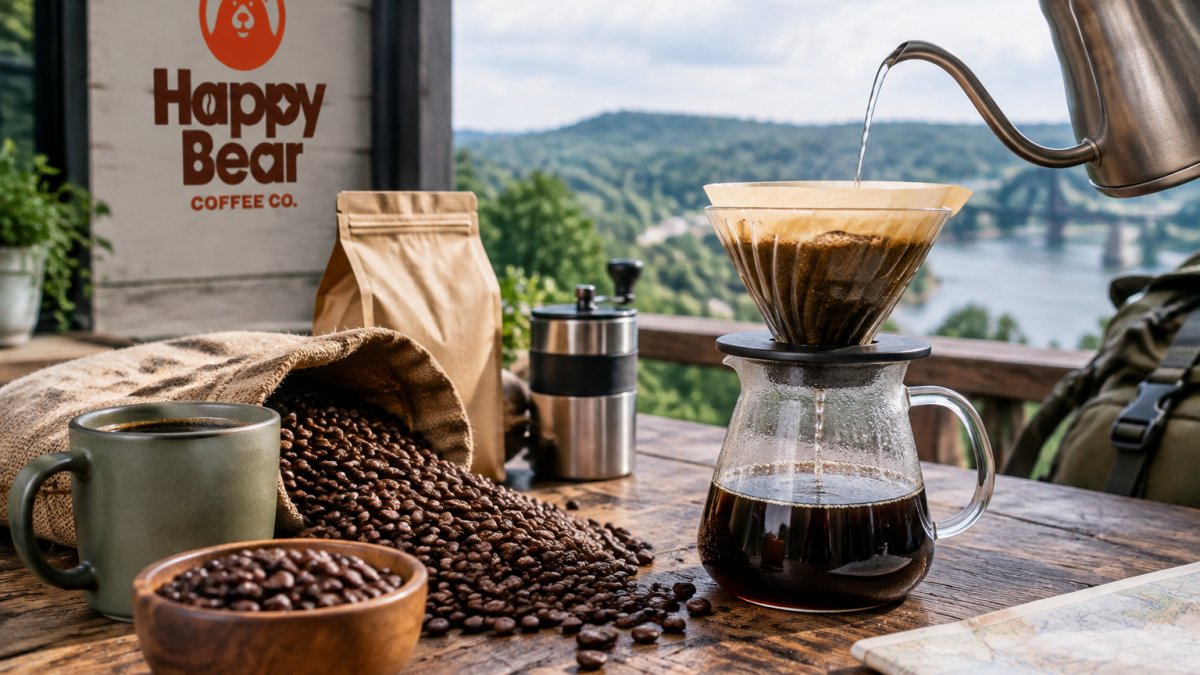
Where the Best Specialty Coffee in the World Comes From
Last Updated: November 15, 2026
Quick Summary
There is no single country that wins the best coffee in the world by country comparison, because quality depends on the specific farm, harvest, and roast far more than on the border it sits inside. What each country does offer is a recognizable flavor signature, so the best specialty coffee for you comes from the origin whose flavors match what you love.
- Specialty coffee has a documented origin, a defined variety, and a printed roast date you can read.
- Ethiopia is where Arabica coffee originated, and Yirgacheffe beans are distinctively floral and fruit-toned.
- Check for 100% on the label, since many Blue Mountain and Kona bags are blends.
- Choose beans using three checks: a recent roast date, a grind matched to your brewer, and a stated processing method.
- Rare origins cost more because supply is genuinely limited, not because of marketing.
Table of Contents
- What Makes Specialty Coffee Different From Premium Coffee
- The Best Coffee in the World by Country
- What the World's 100 Best Coffee Shops Ranking Actually Measures
- How to Choose Specialty Coffee Beans Without Getting Burned
- Why Processing Method Changes What You Taste
- A Roaster in Birdsboro, PA Doing Specialty Coffee Right
- Price and Value: What Rare Origins Actually Cost
- Building Your Own Specialty Coffee Flight at Home
- Order Your First Bag From Happy Bear Coffee
- Frequently Asked Questions
What Makes Specialty Coffee Different From Premium Coffee
Specialty coffee is coffee that scores high enough on a standardized quality scale to be traded as a distinct, traceable product rather than a commodity, while premium coffee simply costs more than average without any quality guarantee behind the price. That distinction matters more than most buyers realize.
The difference comes down to four things: where the bean grew, how it was processed, how it was roasted, and how fresh it is when it reaches you. Specialty coffee has a documented origin, a defined variety, and a roast date you can read. Premium coffee has a nice label.
Here is the comparison in plain terms:
| Factor | Specialty Coffee | Premium Coffee |
|---|---|---|
| Quality standard | Graded on a defined scale | No formal grading |
| Traceability | Named farm, region, or lot | Often blended and unnamed |
| Roast date | Printed and recent | Rarely disclosed |
| Processing | Stated method | Usually unstated |
The Specialty Coffee Association's 2026 National Coffee Data Trends Specialty Coffee Report describes specialty coffee as remaining America's coffee of choice, with younger adults driving sustained growth. That demand has made the word "specialty" a marketing term as often as a quality claim.
Watch out: a bag that says "premium" or "gourmet" tells you nothing about grading. Look for a roast date and a named origin instead.
The Best Coffee in the World by Country
There is no single country that wins the best coffee in the world by country comparison, because quality depends on the specific farm, harvest, and roast far more than on the border it sits inside. What each country does offer is a recognizable flavor signature. Once you learn those signatures, you can predict what a bag will taste like before you open it.
Coffee-growing regions cluster around the equator, where altitude, rainfall, and volcanic soil combine. Terroir, the same concept winemakers use, explains why a washed Ethiopian bean and a washed Guatemalan bean taste nothing alike even when roasted identically.
Here is how the major origins compare on the factors that matter most to buyers:
| Origin | Signature flavors | Typical altitude | Processing norm | What to look for on the bag |
|---|---|---|---|---|
| Ethiopia (Yirgacheffe, Sidamo) | Jasmine, bergamot, stone fruit, tea-like body | 1,700-2,200 m | Washed and natural | Named region and heirloom variety |
| Kenya (Nyeri, Kirinyaga) | Blackcurrant, tomato, bright phosphoric acidity | 1,500-2,000 m | Washed | AA or AB grade, named cooperative |
| Colombia (Huila, Nariño) | Red apple, caramel, balanced acidity | 1,500-2,000 m | Washed | Named farm or producer group |
| Costa Rica (Tarrazú) | Honey, citrus, sparkling acidity | 1,200-1,900 m | Washed, honey, natural | Micro-lot and processing method |
| Guatemala (Huehuetanango) | Cocoa, plum, winey fruit | 1,500-1,900 m | Washed | Region and farm name |
| Peru (Cajamarca, Amazonas) | Caramel, milk chocolate, mild acidity | 1,200-1,800 m | Washed | Organic certification where stated |
| Jamaica (Blue Mountains) | Orange, cream, milk chocolate, low bitterness | 900-1,700 m | Washed | 100% Blue Mountain, not a blend |
| Hawaii (Kona) | Toffee, cooked grapefruit, mellow finish | 150-900 m | Washed | 100% Kona, grade (Prime, Extra Fancy) |
| Indonesia (Sumatra, Aceh) | Earthy, herbaceous, low acid, heavy body | 1,200-1,600 m | Wet-hulled (giling basah) | Named region and wet-hull process |
| Panama (Boquete) | Floral, tropical fruit, jasmine (Geisha) | 1,400-1,900 m | Washed, natural | Geisha variety and farm name |
Typical altitude
Ethiopia and the Birthplace of Arabica
Ethiopia is where Arabica coffee originated. Our Blooming Bear is an Ethiopian Yirgacheffe, a medium roast that is distinctively floral and fruit-toned, with notes reminiscent of citrus and wine.
The Americas: Colombia, Costa Rica, Guatemala and Peru
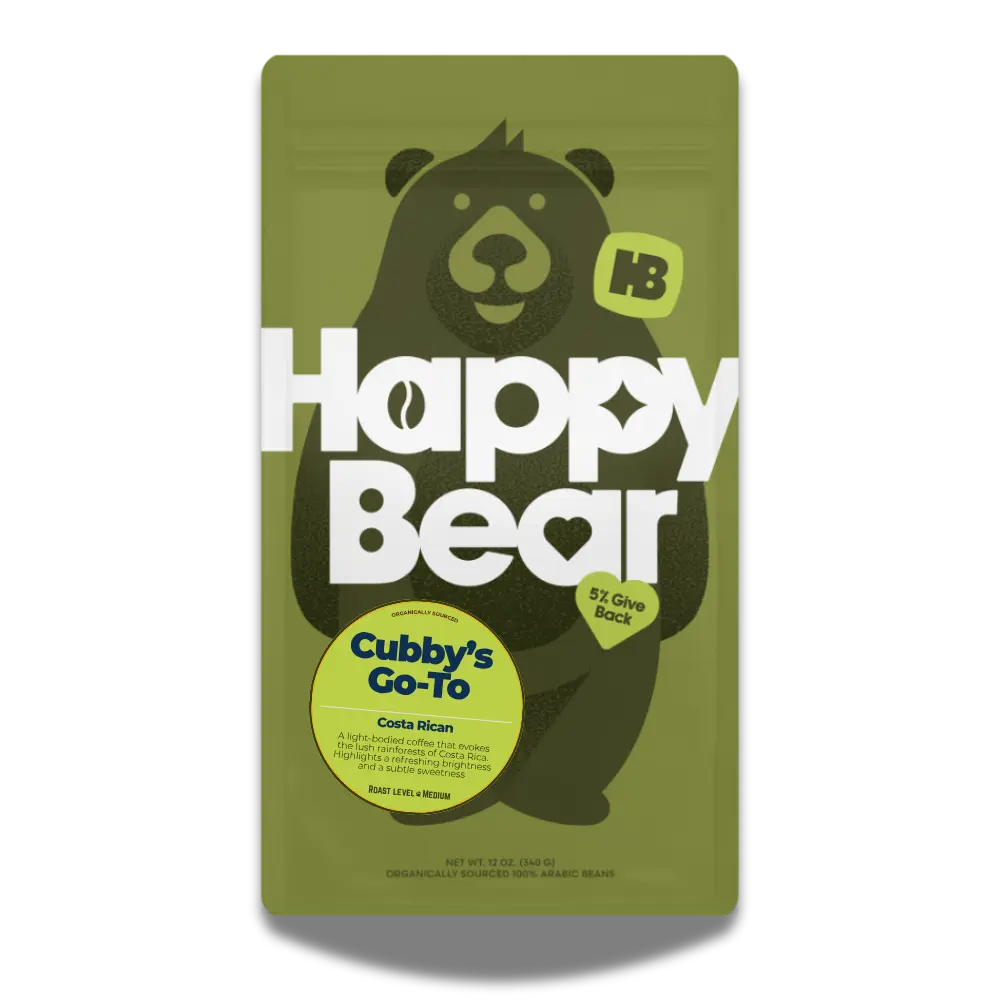
The Americas deliver balance and consistency, which is why so much of the specialty market sources here. Costa Rica's volcanic soil produces sparkling citric acidity and honey sweetness, and our Cubby's Go-To Costa Rican captures exactly that profile. Guatemala's Huehuetenango region sits at high altitudes and yields fruit-forward, complex cups, which you will taste in our Guatemalan Glow. Peru rounds out the group with caramelized sugar and chocolate notes. Colombia's Huila and Nariño departments produce some of the most consistent washed coffees in the world, with red apple and caramel sweetness that make them a reliable everyday choice.
Island Origins: Jamaica and Hawaii
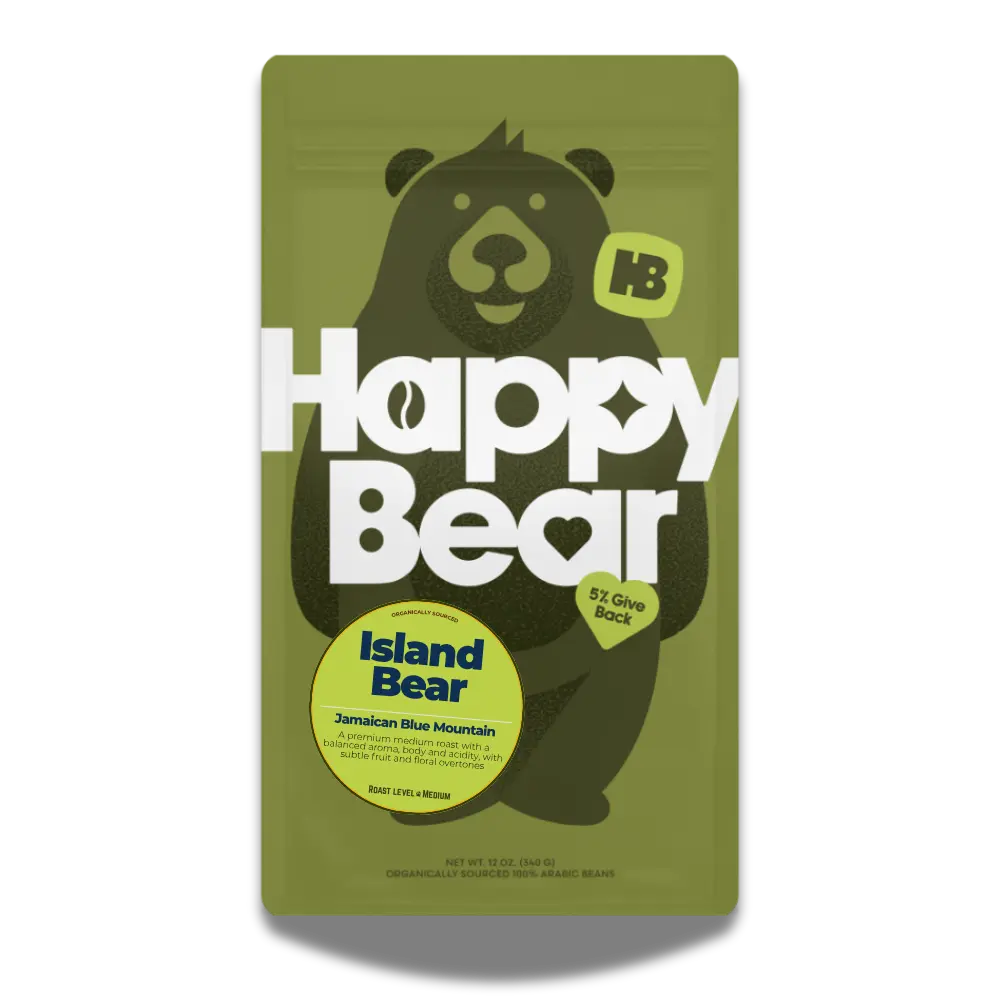
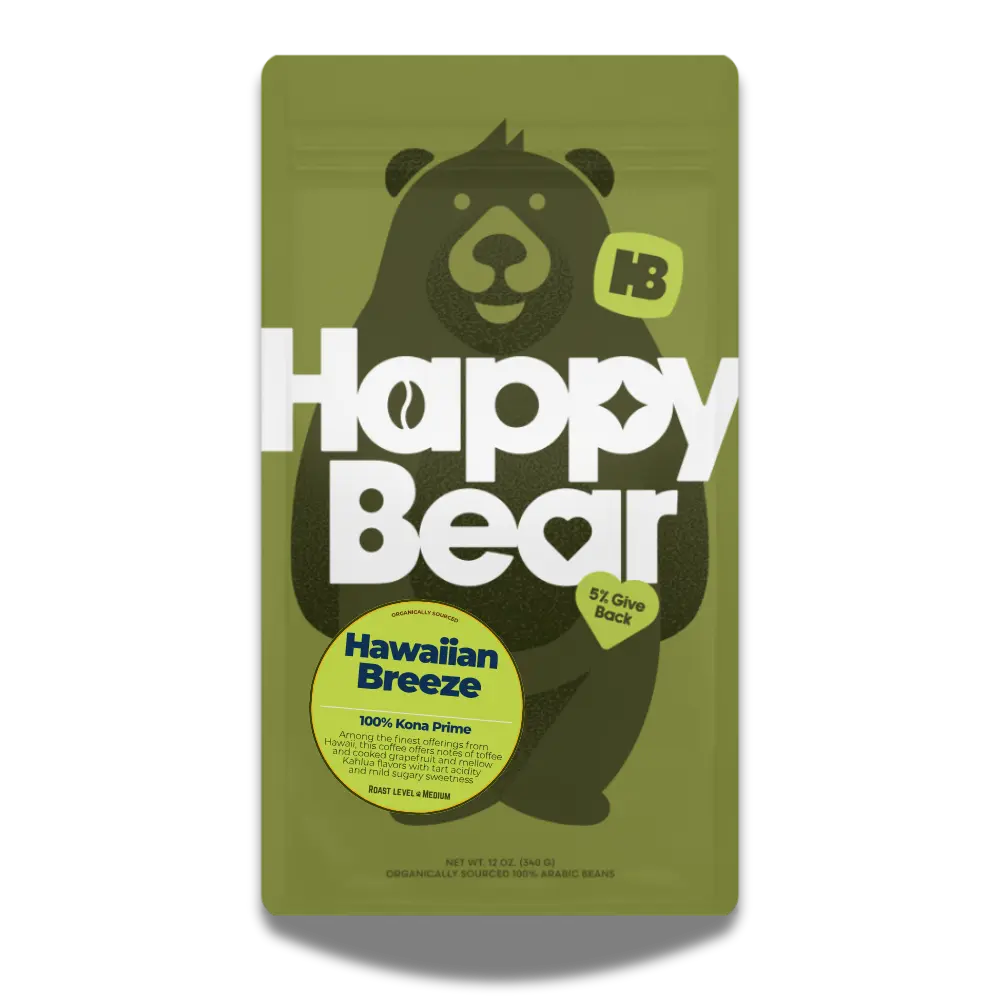
Jamaican Blue Mountain and Hawaiian Kona are two island origins with a limited growing area. Jamaican Blue Mountain is known for its smooth, rich flavor and lack of bitterness. Our Island Bear Jamaican Blue Mountain is 100% Jamaican Blue Mountain, not a blend. Hawaiian Kona grows on the slopes of Mauna Loa, and our Hawaiian Breeze 100% Kona Prime carries toffee and cooked grapefruit notes with a mellow finish. Watch out: many bags labeled "Blue Mountain" or "Kona" are blends with only a small percentage of the named origin, so check for "100%" on the label.
Africa Beyond Ethiopia: Kenya and Rwanda
Kenya's Nyeri and Kirinyaga regions produce some of the most intensely acidic coffees in the world, with blackcurrant and tomato notes that stand out in a cupping lineup. Rwanda's Lake Kivu region has rebuilt its specialty reputation around washed Bourbon varieties with red fruit and tea-like clarity. Both origins reward buyers who check the grade and cooperative name on the bag.
Asia and the Pacific: Indonesia and Panama
Our Sumatran Trail is a medium roast with a clean, earthy richness and low acidity.
What the World's 100 Best Coffee Shops Ranking Actually Measures
The World's 100 Best Coffee Shops ranking measures the quality of a café experience, not the quality of the beans you can buy and brew at home. That is the single most important thing to understand about it. The 2026 edition, reported by Kerry, named Onyx Coffee Lab the world's best coffee shop, with nine U.S. shops on the list compared with seven from Australia.
The ranking is a useful travel and discovery tool. It is a poor buying guide.
Treat a global ranking as one opinion, well informed but not definitive.
To make the ranking useful, separate what it actually evaluates from what it does not:
| What the ranking measures | What it does not measure |
|---|---|
| Café atmosphere and design | The quality of beans sold for home brewing |
| Barista skill and service | Green coffee sourcing or farm-gate prices |
| Menu creativity and presentation | Roast consistency across batches |
| Location and cultural relevance | Traceability or producer livelihoods |
| Judge panel sensory scores | Value per cup or per bag |
A transparent way to evaluate any café or roaster, whether or not it appears on a global list, is to score it on six criteria: cup quality (does the coffee taste clean and sweet?), sourcing (is the origin named?), roasting (is there a roast date?), consistency (do repeat visits hold up?), service (does the staff explain the coffee?), and sustainability (is there any traceability or producer information?).
If you are planning a visit, check the shop's current hours and menu directly before traveling. Rankings age, and cafés close. The same six-criteria framework works for choosing a roaster to buy from, which is the decision most readers of this guide are actually making.
How to Choose Specialty Coffee Beans Without Getting Burned
Choosing specialty coffee beans comes down to three checks: a recent roast date, a grind matched to your brewer, and a stated processing method. Get those three right and you will avoid almost every disappointing bag. Most guides overcomplicate this. The basics do the work.
Read the Roast Date, Not the Best-By Date
A roast date tells you how fresh the coffee is. A best-by date tells you nothing useful. If a bag has no roast date printed, that is your answer.
Our advice at Happy Bear Coffee is to buy whole bean and grind right before brewing. Store the beans in an airtight container away from light, heat, and moisture, at room temperature. Not the fridge. For a deeper look at roast levels, our guide to how to choose coffee roast types walks through light, medium, and dark profiles.
Match the Grind to Your Brew Method
Grind size controls how fast water extracts flavor, so the wrong grind ruins good beans. Match it to your brewer:
- Drip: medium grind, like coarse sand
- Pour-over: medium-fine, slightly finer than drip
- French press: coarse grind, like sea salt
- Espresso: fine grind, powdery to the touch
Buy pre-ground only if the shop grinds for your specific brewer. A bag ground for drip will clog a French press and channel through an espresso basket.
Why Processing Method Changes What You Taste
Processing method determines how much of the fruit character survives from cherry to bean, and it is the second-biggest flavor variable after origin. The two main methods are washed and natural. A washed process removes the fruit before drying, producing clean, bright, consistent cups with clear acidity. A natural process dries the bean inside the whole cherry, which pushes fruit sweetness and heavier body forward.
Fermentation sits inside both methods and drives aroma complexity. Wet-hulling, the method common in Sumatra, creates the earthy, herbaceous, low-acid profile that our Sumatran Trail delivers.
Research published in ScienceDirect by J. Jacobi and coauthors found that specialty markets reward quality, which can raise farm-gate prices and support shaded, diversified farming systems. Processing is where that quality gets made or lost.
Ask one question before buying: does the bag state its process? If not, you cannot predict what you are getting.
A Roaster in Birdsboro, PA Doing Specialty Coffee Right
Happy Bear Coffee is based in Birdsboro, PA. Every bag is small-batch roasted from 100% Arabica beans. All coffees are certified mold-free by independent third-party lab testing.
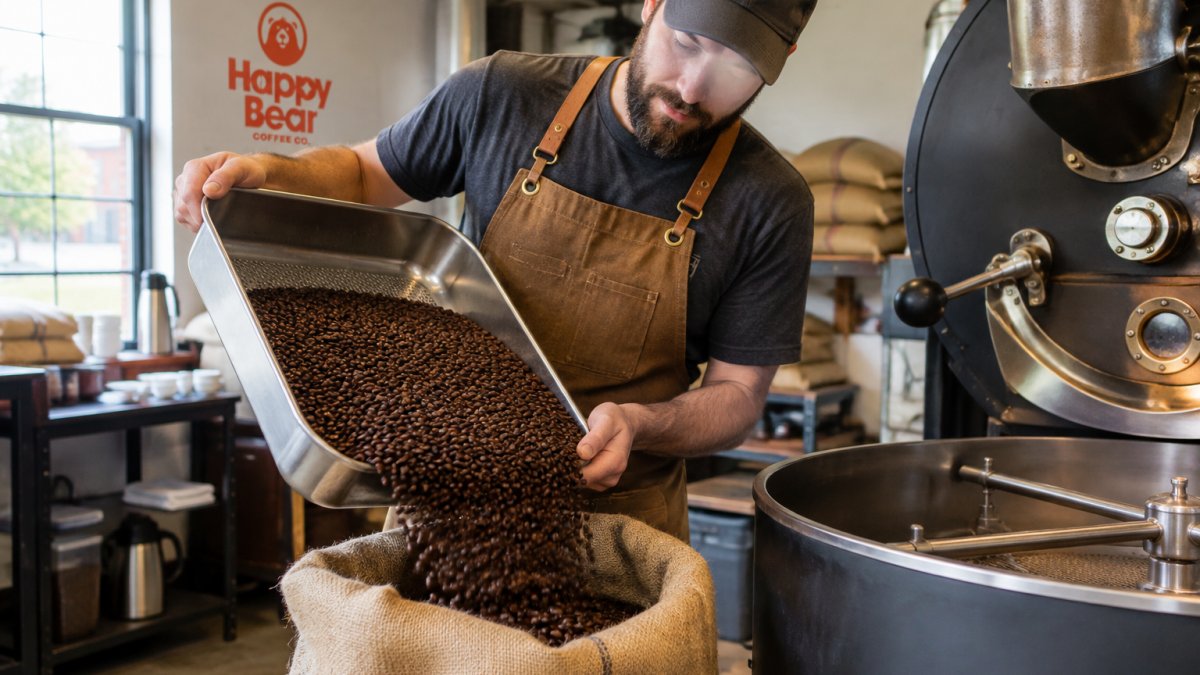
Our decaf uses the chemical-free Swiss Water Process instead of chemical solvents. We are a Specialty Coffee Association member and an NGLCC Certified LGBT Business Enterprise. Five percent of every online purchase goes to a nonprofit the customer picks at checkout.
We are also upfront about something other roasters avoid: our flavored coffees use a mix of natural and artificial flavorings, and we say so rather than calling them all natural. The same specialty-grade Arabica goes under our flavored coffees as under our single origins.
Price and Value: What Rare Origins Actually Cost
Rare origins cost more because supply is genuinely limited, not because of marketing. Jamaican Blue Mountain and Hawaiian Kona grow in small geographic zones with labor-intensive harvesting, so the price per bag reflects real scarcity. Our 12 oz bags start at $19 for everyday single origins and climb to $62 for Island Bear Jamaican Blue Mountain and $67 for Hawaiian Breeze 100% Kona Prime.
Here is how our range breaks down:
| Tier | Example | Price (12 oz) |
|---|---|---|
| Everyday single origin | Sumatran Trail, Light N' Cozy | $19.00 |
| Mid-range single origin | Guatemalan Glow, Peruvian Elevated Delight | $19.50 - $20.00 |
| Flagship origin | Blooming Bear Yirgacheffe | $20.50 |
| Reserve island origin | Jamaican Blue Mountain, Kona Prime | $62.00 - $67.00 |
Is the reserve tier worth it? For a gift, a milestone, or a curious palate, yes. For your daily drip, a $19 single origin delivers far more value per cup. That is an honest answer, and it is the one we give customers who ask.
Building Your Own Specialty Coffee Flight at Home
A coffee flight at home works by brewing three to four single origins side by side, small cups, same method, so you can taste the differences between regions directly. It is the fastest way to train your palate, and it costs less than one café flight.
Set it up like this:
- Pick three origins with contrasting profiles, for example Ethiopia, Sumatra, and Costa Rica
- Weigh 15 g of each, ground to your brewer's setting
- Brew each identically, same water temperature and ratio
- Taste in order from lightest to heaviest body
- Note acidity, sweetness, body, and finish for each cup
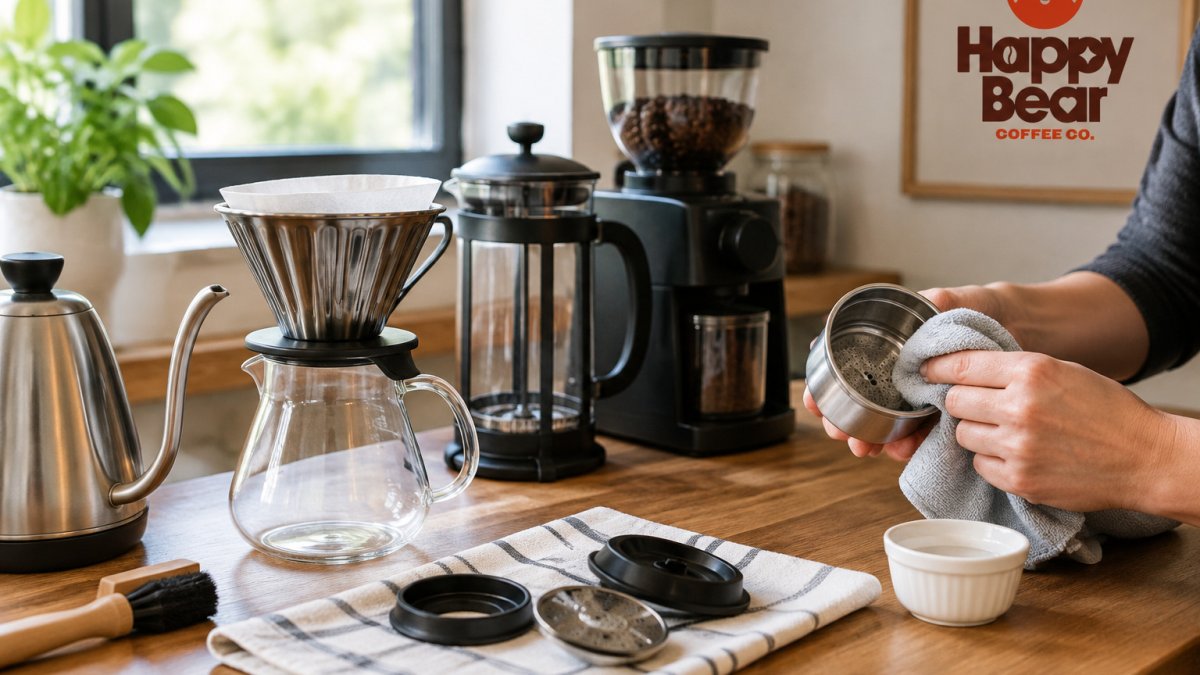
Keep water at about 200°F and a 1:16 coffee-to-water ratio as your baseline. Our guide to brewing specialty coffee at home covers the full method, including pour-over and French press technique.
For travel, camping, or the office, single-serve brew bags remove the gear question entirely. They are the same specialty beans, portioned for a cup.
Order Your First Bag From Happy Bear Coffee
The best specialty coffee in the world is the bag you actually finish, brewed the way you like it, from a roaster that tells you what is inside. That is the standard we hold ourselves to in Birdsboro, PA.
If you are not sure where to start, try a single origin from a region whose flavors appeal to you, order it whole bean, and grind right before brewing. Our coffees are small-batch roasted from 100% Arabica, tested for mold by an independent lab, and available in regular or chemical-free Swiss Water decaf. Five percent of your purchase goes to a nonprofit you choose.
Get started with Happy Bear Coffee and find the origin that becomes your everyday cup.
Frequently Asked Questions
What country has the best quality coffee?
There is no single winner, because specialty coffee is judged on sensory traits that vary by palate. Ethiopia is the birthplace of Arabica and the benchmark for floral, citrus-forward cups. Jamaica and Hawaii produce rare, mild coffees with limited growing areas. The best origin is the one that matches how you brew and what you like.
What is the number-one rated coffee in the world?
Rankings measure different things, and most score the café experience rather than the bean. For specialty coffee at home, judge by roast date, origin clarity and whether the lot is traceable to a farm or cooperative.
What makes a coffee specialty grade?
Specialty coffee is generally understood as Arabica coffee with a clean, distinctive flavor profile, and sensory judgment is central to how it is evaluated. Look for a stated origin, a roast date and a roaster willing to describe the processing method.
How do I choose specialty coffee beans for my brew method?
Start with whole bean and grind right before brewing. Match the grind to your method: coarse for French press, medium for drip and pour-over, fine for espresso. Decide whether you want a light roast with brighter acidity or a medium roast with more body. Check that the bag lists a roast date rather than only a best-by date, and confirm how any decaf was processed, since many decafs use chemical solvents while Swiss Water Process avoids them.


Leave a comment
This site is protected by hCaptcha and the hCaptcha Privacy Policy and Terms of Service apply.